
Northern Italy Wedding Planning
How to Plan a Destination Wedding in Italy: The Complete Guide
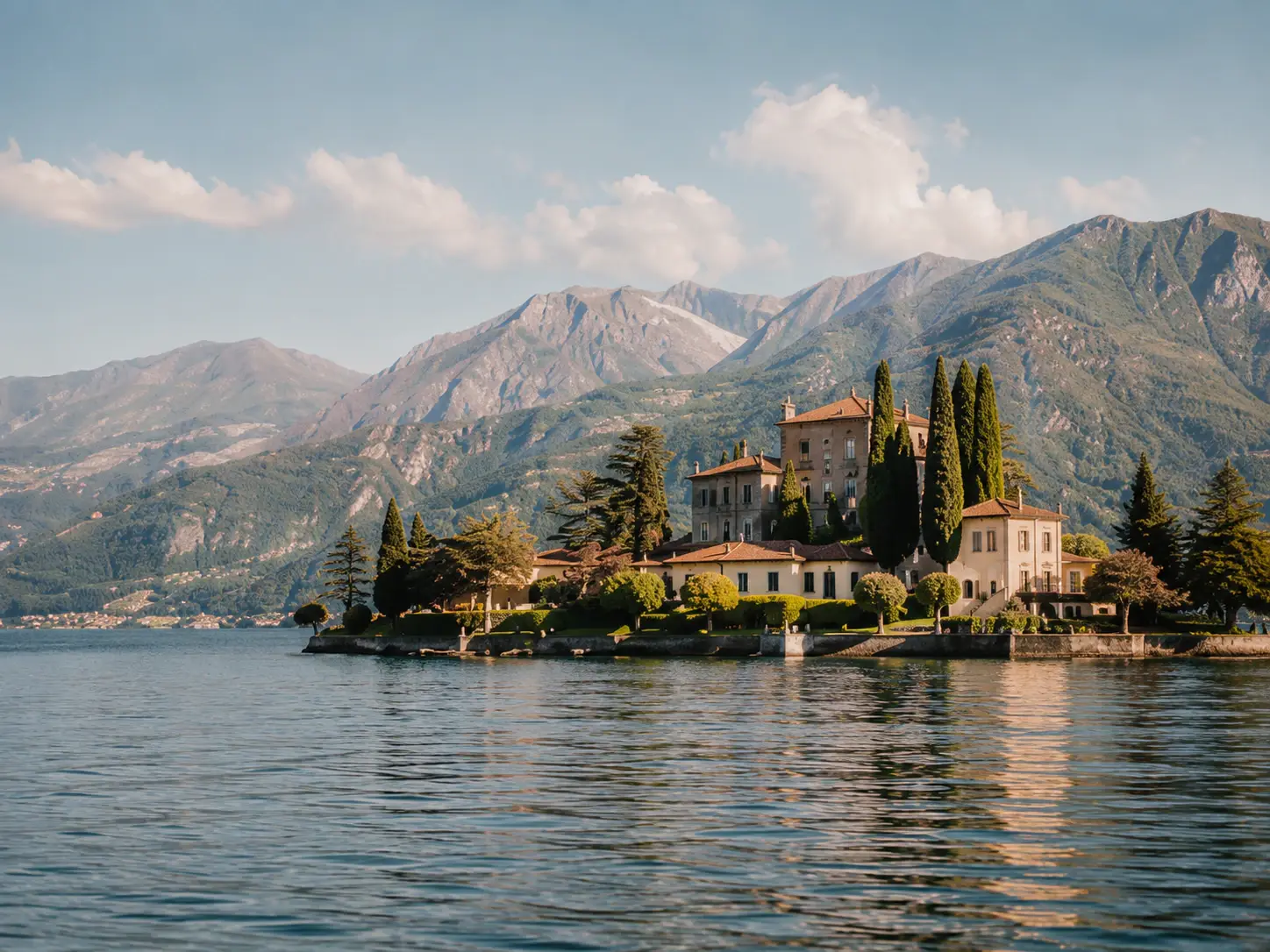
Planning a destination wedding in Italy means choosing more than a beautiful setting. Region, venue, season, legal requirements, guest travel, budget and the shape of the weekend all affect how the celebration feels.
This guide connects those decisions so you can compare locations, build a realistic plan and understand what needs to be confirmed before you book.
Use it as a practical starting point, then follow the regional and specialist guides for the parts of your wedding that need more detail.
Why couples choose Italy for a destination wedding
Italy offers lakes, mountains, historic cities and countryside venues within one country. That variety is useful, but it also makes the first decision more practical than visual: choose the region that fits your guests, travel plans, season and the pace you want for the celebration.
The sections below compare those choices before you move on to venues, timing and coverage.
Choosing the Right Region for Your Wedding
One of the biggest misconceptions about getting married in Italy is assuming that every destination offers the same experience.
In reality, choosing the right region is one of the most important decisions you'll make, as it influences everything from the atmosphere of your wedding and your budget to guest logistics, photography and even the best time of year to celebrate.
Here's a quick overview of some of Italy's most beautiful and distinctive wedding destinations.
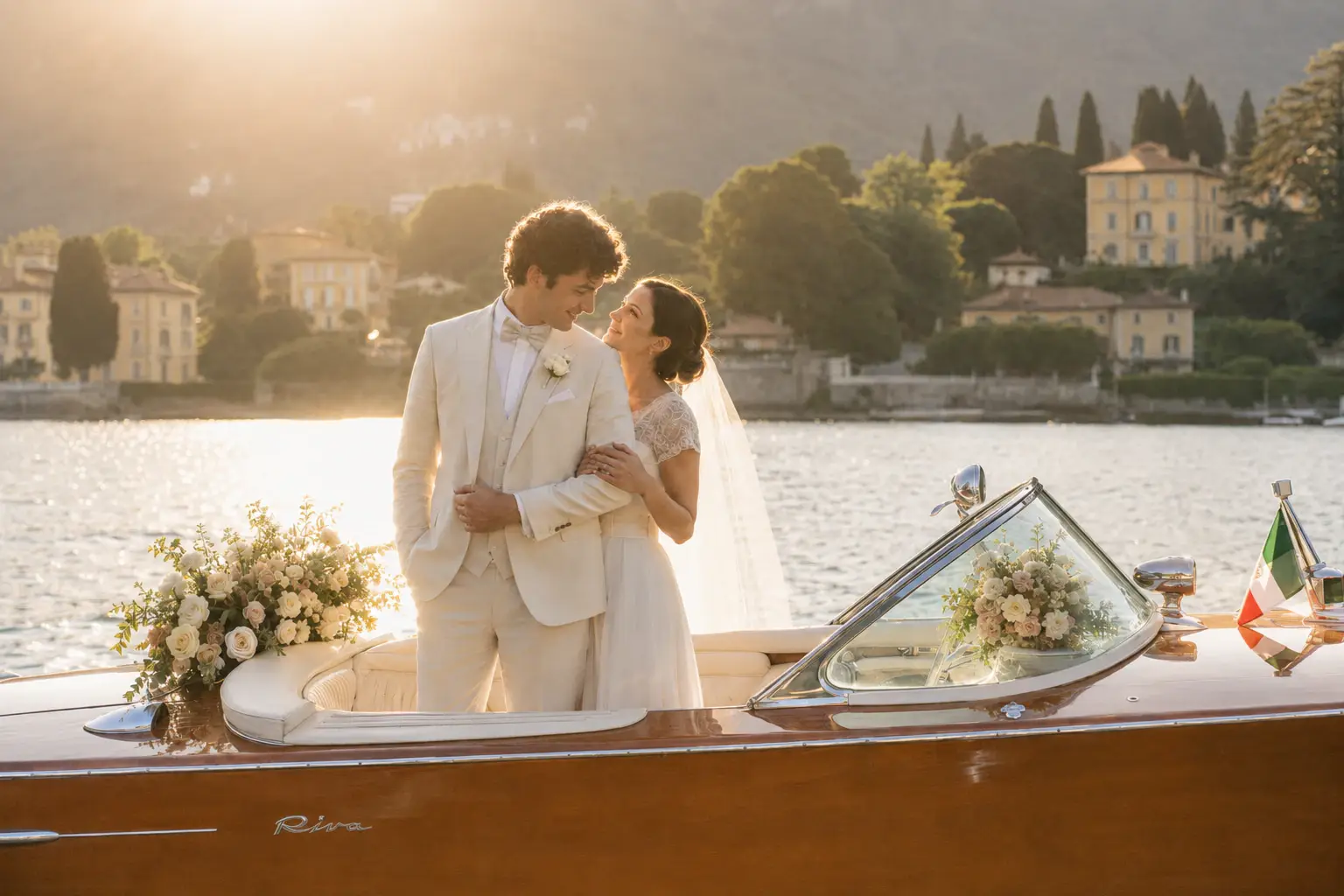
Lake Como
Sophisticated, timeless and effortlessly elegant, Lake Como has become one of Europe's most iconic wedding destinations.
Its grand historic villas, spectacular lake views and refined atmosphere make it particularly popular with couples planning luxurious celebrations.
Lake Como is especially suited to elegant black-tie weddings, exclusive villa buyouts and multi-day events where guests can enjoy private boat tours, lakeside dinners and unforgettable scenery.
Best for:
Luxury weddings
Exclusive villa celebrations
International guest lists
Black-tie events
→ Read our complete Lake Como guides.
For couples who want the atmosphere of the Dolomites with a more defined town base, Cortina d’Ampezzo is worth considering for its mountain setting, hotel infrastructure and access to nearby landscapes.
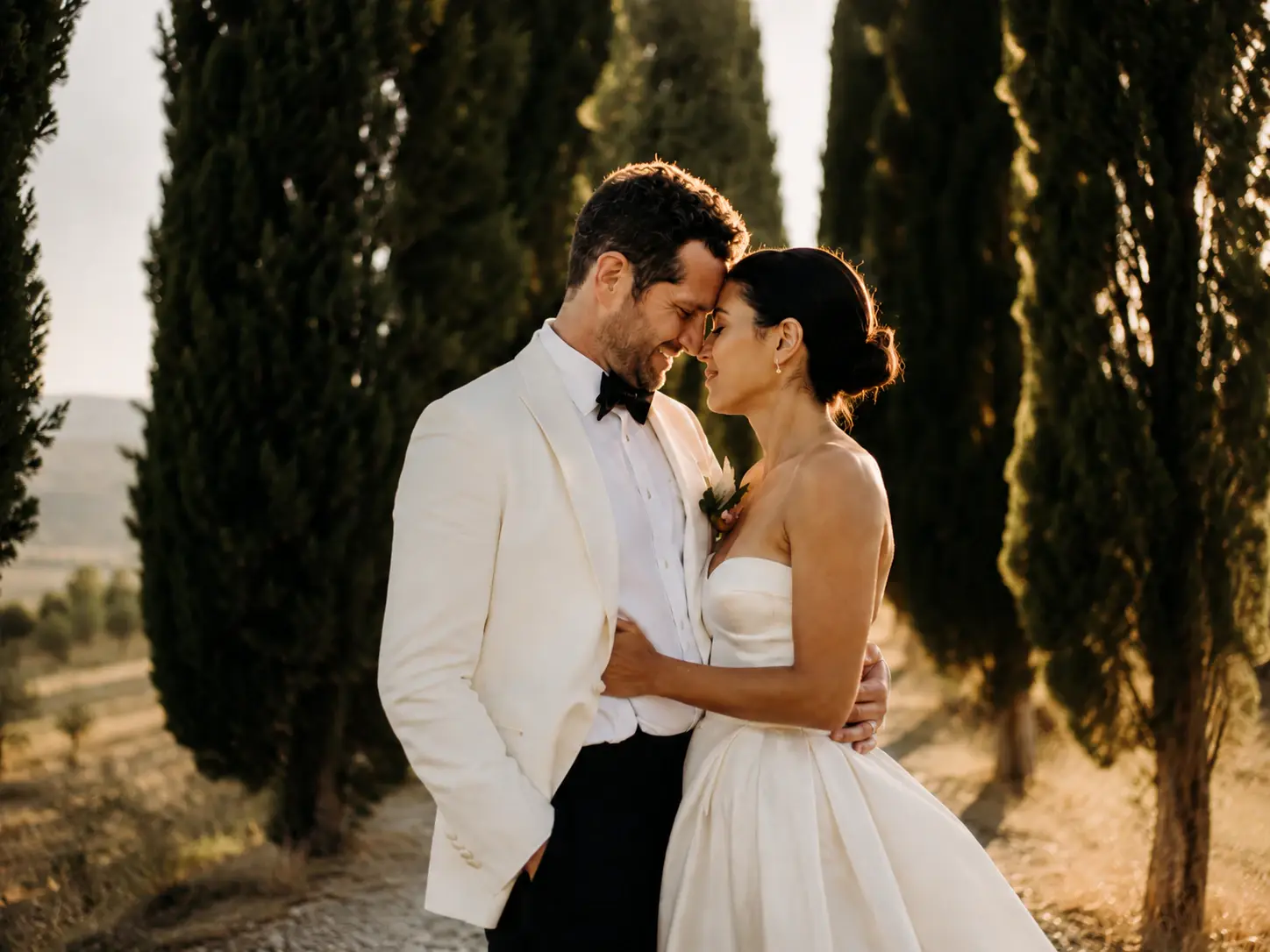
Tuscany
If your dream wedding includes golden sunsets, vineyards, cypress-lined roads and relaxed outdoor dinners beneath the stars, Tuscany offers an entirely different kind of luxury.
Rather than formal elegance, Tuscany is known for its warm atmosphere, incredible food, rolling countryside and beautifully restored villas and borgos.
It's one of Italy's best regions for couples who want their wedding to feel like a long weekend shared with family and friends.
Best for:
Multi-day weddings
Vineyard celebrations
Garden receptions
Relaxed luxury
→ Explore our Tuscany wedding guides.
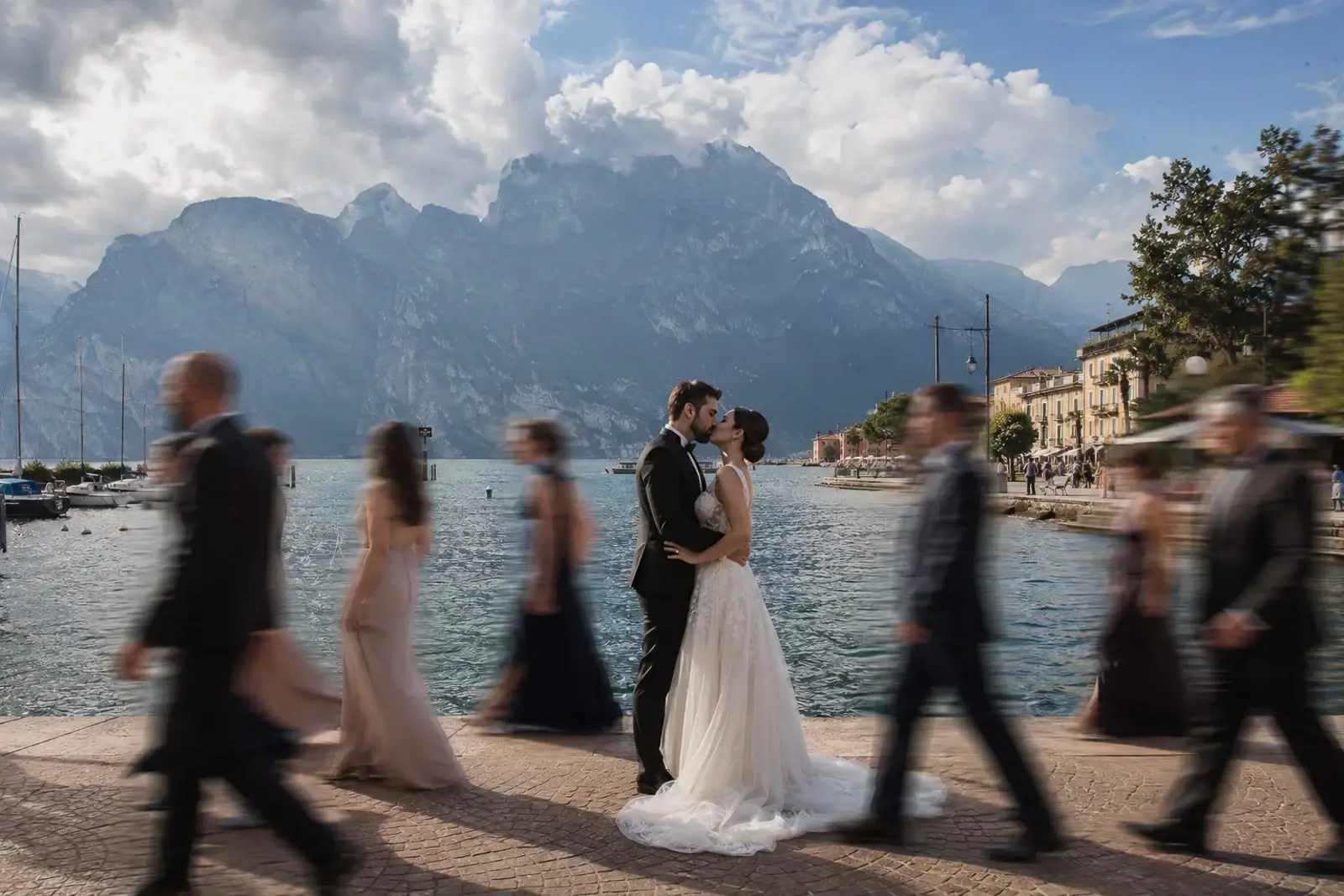
Lake Garda
Lake Garda combines many of the qualities couples love about Lake Como and Tuscany, but often with a more relaxed atmosphere.
The lake is surrounded by historic towns, elegant villas, vineyards, mountain views and Mediterranean-style gardens. Depending on the area you choose, your wedding can feel refined and sophisticated, warm and intimate, or adventurous and outdoorsy.
The southern part of the lake is generally easier to reach from airports such as Verona and Milan, while the northern side offers more dramatic scenery, with mountains rising directly from the water.
Lake Garda is particularly well suited to wedding weekends that include boat trips, lakeside welcome dinners and relaxed gatherings in nearby villages.
Best for:
Lakeside weddings with mountain views
Elegant celebrations without the formality of Lake Como
Couples combining a wedding with a holiday
Multi-day events with boat experiences
Guests travelling through Verona or Milan
→ Explore our Lake Garda Wedding Guides.
The Dolomites
For couples who feel most at home in nature, the Dolomites offer one of the most distinctive wedding settings in Europe.
Instead of grand lakeside villas or rolling vineyards, this region is defined by dramatic mountain peaks, alpine meadows, forests, intimate lodges and extraordinary natural light.
A wedding in the Dolomites can be elegant without feeling conventional. Celebrations may take place in a luxury mountain hotel, a private chalet, a historic castle or a refined alpine venue surrounded by panoramic views.
The region is particularly beautiful for smaller destination weddings, adventurous celebrations and multi-day experiences that include hiking, spa time, mountain lunches or welcome dinners overlooking the peaks.
However, logistics require careful planning. Weather can change quickly, some venues are relatively remote, and transfers between airports, hotels and ceremony locations may take longer than expected.
Best for:
Intimate destination weddings
Nature-loving couples
Mountain elopements and micro-weddings
Refined alpine celebrations
Guests who enjoy outdoor experiences
→ Discover our Dolomites Wedding Guides.
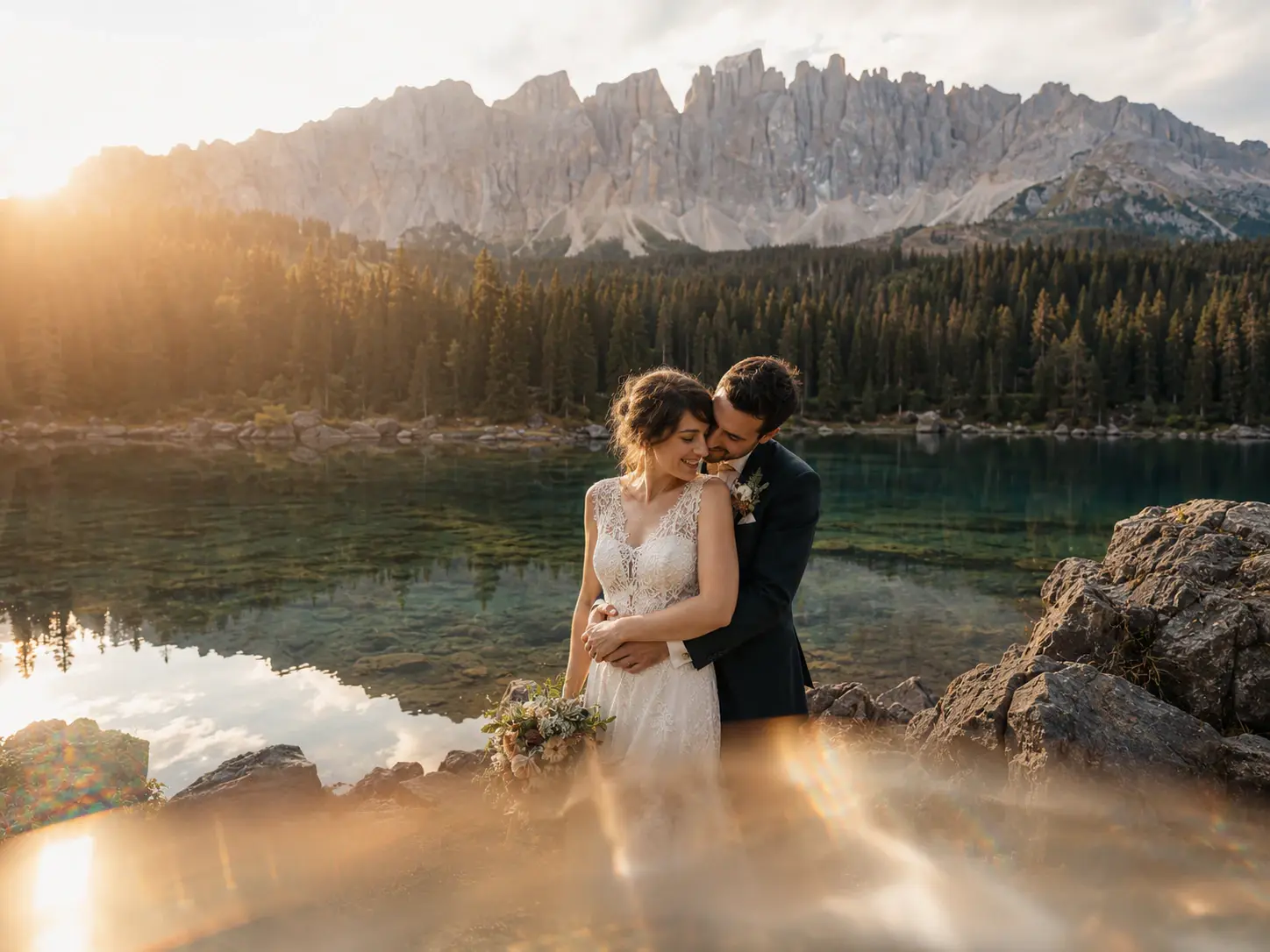
Verona, Trentino and Northern Italy’s Hidden Gems
Lake Como and Tuscany may receive most of the international attention, but some of Italy’s most memorable wedding destinations are found beyond the most famous locations.
Verona offers historic architecture, elegant palaces and easy access to Lake Garda, vineyards and the surrounding countryside. It can be an excellent choice for couples who want Italian romance with simpler transport connections and more flexibility than some of the country’s most exclusive destinations.
Further north, Trentino combines mountains, lakes, castles, vineyards and sophisticated regional cuisine. Couples can create a wedding weekend that feels deeply connected to the landscape, with fewer crowds and a more intimate atmosphere.
Other lesser-known areas can also offer greater venue availability, more privacy and better value, particularly for couples who care more about the experience than choosing a destination their guests already recognise.
These locations are especially worth considering when you want:
A setting that feels more personal and less predictable
Easier access to exclusive venues
Beautiful landscapes without the busiest tourist crowds
More flexibility within your budget
An authentic regional experience for your guests
The right destination is not always the most famous one. It is the place that best supports the kind of celebration you want to create.
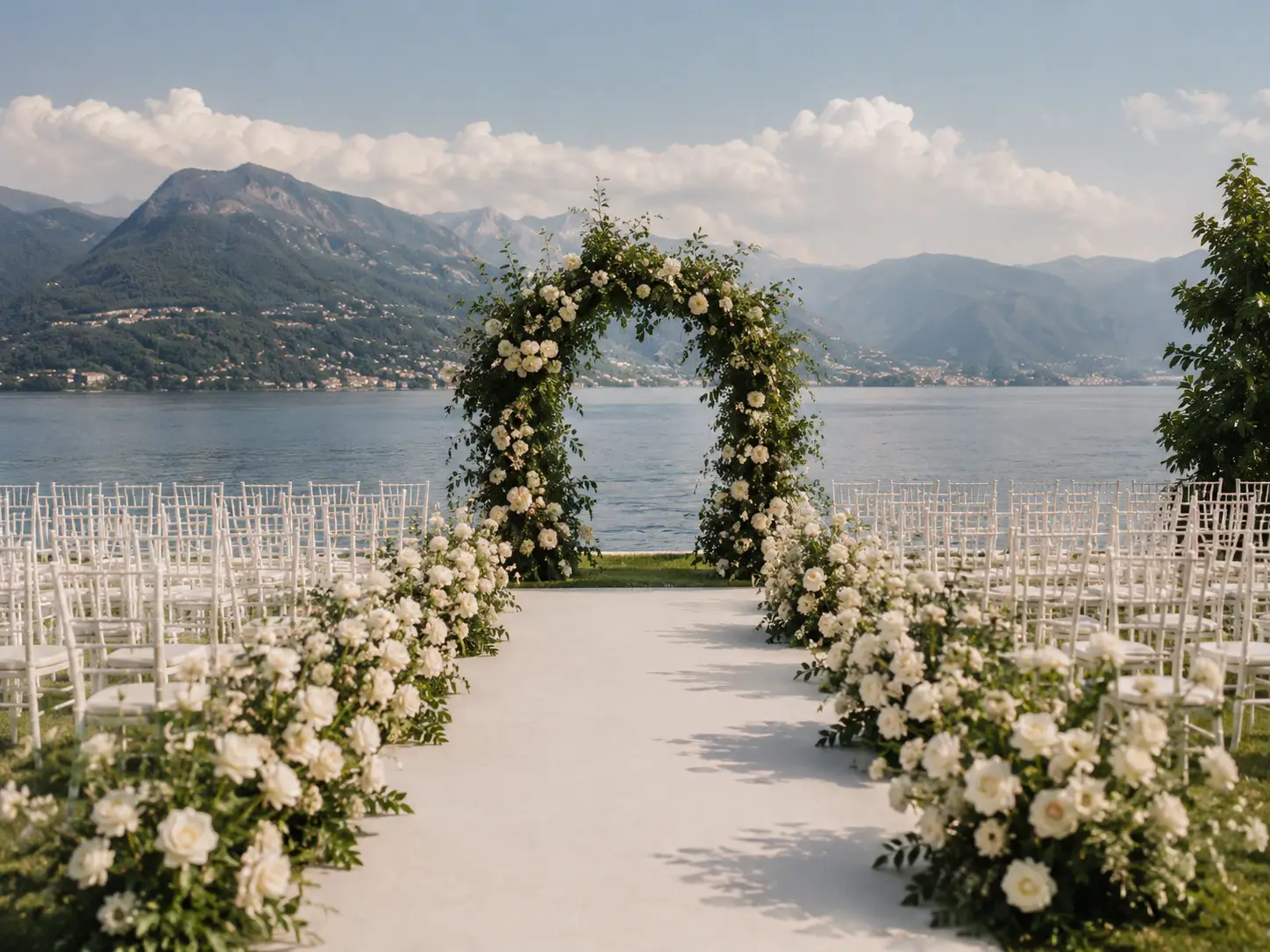
How to Choose the Right Italian Wedding Destination
It is easy to choose a destination based entirely on photographs.
However, the most beautiful setting is not always the best setting for your particular wedding.
The right region should support your priorities—not create unnecessary complications around them.
Before booking a venue, consider the following questions.
What kind of atmosphere do you want?
Start with how you want the wedding to feel.
Do you imagine guests arriving in formal evening wear at a grand villa? Sharing a long family-style dinner in the countryside? Taking a private boat across the lake? Or spending the weekend surrounded by mountains and nature?
Your emotional vision is often a better starting point than a list of venues.
Lake Como naturally lends itself to polished elegance. Tuscany feels warm and unhurried. Lake Garda can move between refined and relaxed, while the Dolomites feel immersive and adventurous.
Choose the atmosphere first. The venue search becomes much clearer afterwards.
Where will your guests be travelling from?
Guest travel should influence your decision more than many couples initially expect.
A venue may look perfect online but become challenging when guests need several flights, a long train journey and an additional private transfer to reach it.
Consider:
The nearest international airports
Direct flights from the countries where most guests live
Travel time between the airport and the venue
Whether guests can use public transport
The availability of taxis and private transfers
Whether guests will need to rent cars
How late they can arrive safely and comfortably
For an international wedding, simplicity matters.
Guests are generally happy to travel for a beautiful celebration, but complicated logistics can create unnecessary stress before the weekend has even begun.
Will guests stay together or in different hotels?
Some venues offer enough accommodation for most or all guests. Others require people to stay across several hotels, apartments or nearby towns.
Neither option is automatically better.
Keeping everyone together can create a wonderfully immersive atmosphere. Guests meet over breakfast, relax by the pool and naturally spend more time with one another.
However, a venue buyout may significantly increase the total cost or require a minimum number of nights.
Using several nearby hotels gives guests more control over their budget, but transportation becomes more important—particularly after dinner and dancing.
Before committing to a location, check:
How many guests can stay on-site
Whether accommodation is mandatory
Minimum-stay requirements
Nearby alternatives at different price levels
Distances between the accommodation and venue
Whether shuttle buses can reach every property
What experience do you want to offer beyond the wedding day?
For a multi-day destination wedding, the surrounding area matters almost as much as the venue.
Think about what guests can do before and after the celebration.
In Lake Como or Lake Garda, you might plan a boat excursion or lakeside aperitivo.
In Tuscany, guests could visit vineyards, explore hilltop towns or share a relaxed pizza night.
In the Dolomites, the weekend might include hiking, spa experiences or lunch at a mountain refuge.
A strong destination gives you more than a beautiful ceremony backdrop. It allows the entire wedding weekend to feel connected to the place.
How important is privacy?
Some of Italy’s most famous destinations are also among its busiest.
A venue may appear peaceful in promotional photographs but be surrounded by tourists, boat traffic, public viewpoints or neighbouring properties during peak season.
Ask prospective venues:
Is the property completely private?
Are any areas open to hotel guests or the public?
Will another event take place on the same day?
Are there restrictions on photography in certain areas?
Can tourists or hotel guests see the ceremony or reception?
Is exclusive use included or charged separately?
Privacy can make an enormous difference to how relaxed a wedding feels.
Choosing the Right Wedding Venue in Italy
Once you have selected the region, the venue becomes the decision that shapes almost every other part of the celebration.
It influences your guest experience, timeline, design, catering, transportation, photography and budget.
The most important question is not simply:
Is this venue beautiful?
It is:
Will this venue allow the wedding weekend we are imagining to unfold comfortably?
A dramatic property may photograph beautifully but have limited indoor space, difficult access, strict music restrictions or no nearby accommodation.
A less famous venue may offer far greater privacy, flexibility and a much smoother experience.
Historic Villas
Historic villas are among the most recognisable Italian wedding venues.
They often feature frescoed interiors, formal gardens, terraces, stone staircases and extraordinary architectural details. On the lakes, many also offer direct water access and panoramic views.
They are particularly suited to elegant weddings and celebrations where architecture is central to the visual experience.
Before booking, confirm:
Which rooms and gardens are included
Whether exclusive use is guaranteed
Guest capacity for both indoor and outdoor plans
Restrictions on furniture, candles and decoration
Curfews and sound limits
Accessibility for elderly guests and children
Whether boats or buses can reach the venue easily
Some historic villas are protected properties, which may limit what suppliers are allowed to install or change.
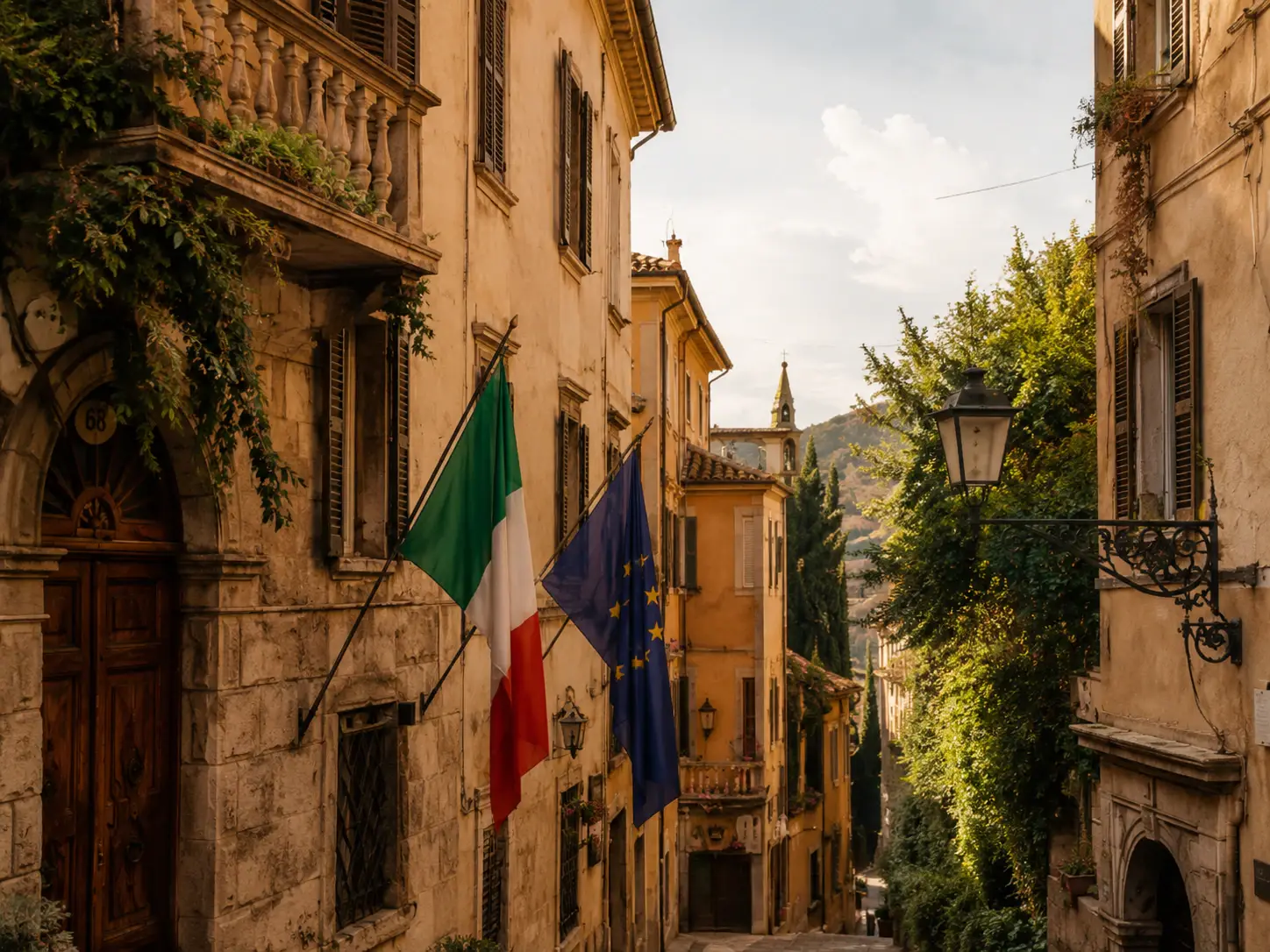
Private Estates and Country Houses
Private estates work particularly well for multi-day weddings.
They often allow couples and guests to stay on-site, host several events in different areas and create a celebration that feels private and self-contained.
In Tuscany, these properties may include vineyards, olive groves, gardens, pools and several accommodation buildings. In Northern Italy, estates may combine historic architecture with mountain or lake views.
They are ideal for welcome dinners, wedding-day celebrations and farewell brunches without requiring guests to travel repeatedly.
Check whether the property:
Allows multiple wedding events
Requires a full buyout
Has minimum-night requirements
Includes furniture and catering equipment
Permits external suppliers
Has a suitable rain plan
Offers enough bathrooms and guest facilities
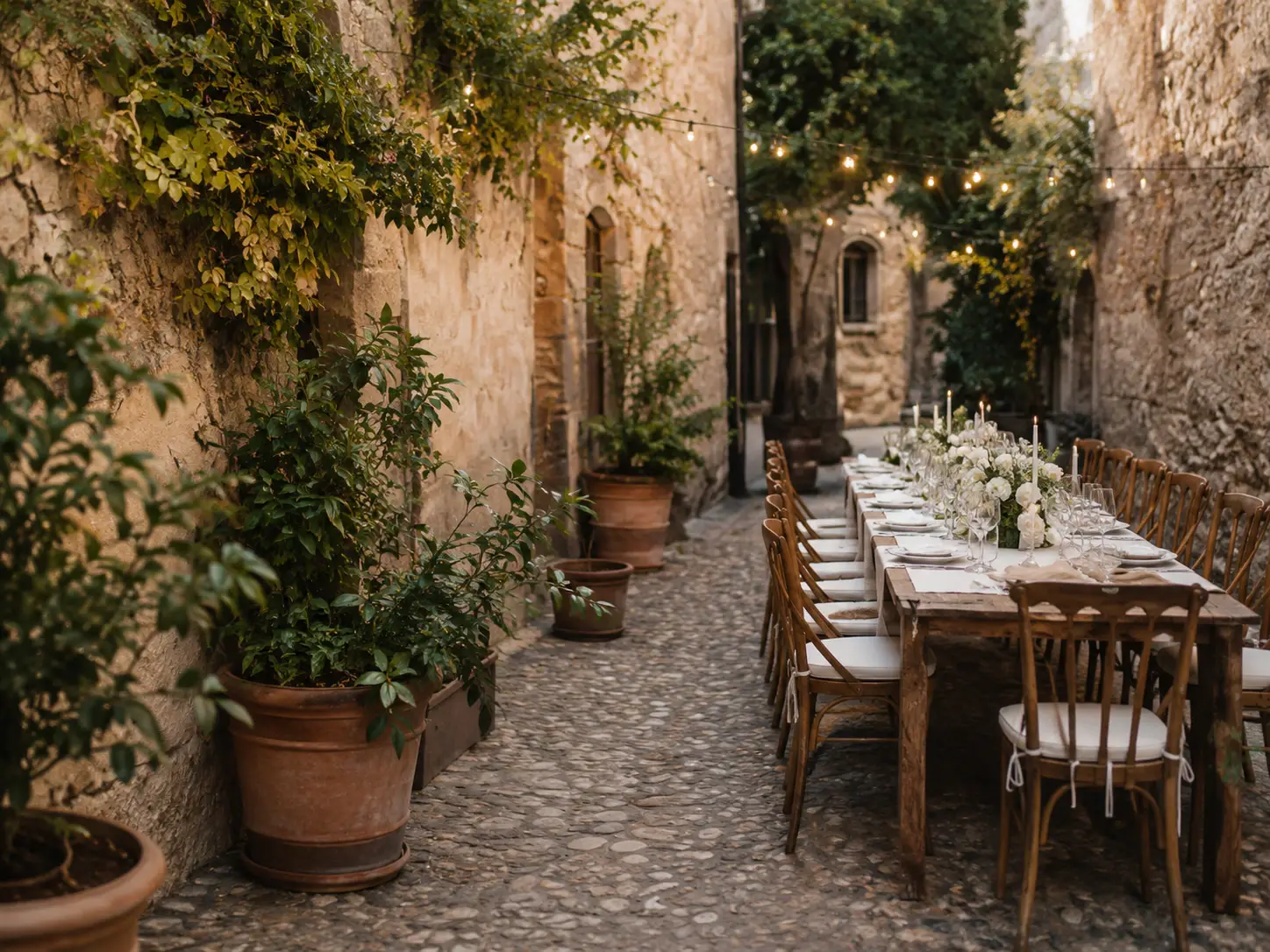
Luxury Hotels
Luxury hotels can simplify destination-wedding planning considerably.
Accommodation, catering, staffing, housekeeping and event spaces may all be managed by one experienced team. This can be especially helpful when you have a large international guest list or want to reduce the number of separate suppliers involved.
Hotels also tend to offer stronger contingency plans for rain and better accessibility than remote private properties.
The trade-off is that the celebration may feel less private unless you book exclusive areas—or the entire hotel.
Ask whether:
Other guests will remain at the property
Ceremony and reception spaces are private
Music restrictions apply
External planners and suppliers are welcome
Guests receive preferential accommodation rates
There are minimum food-and-beverage requirements
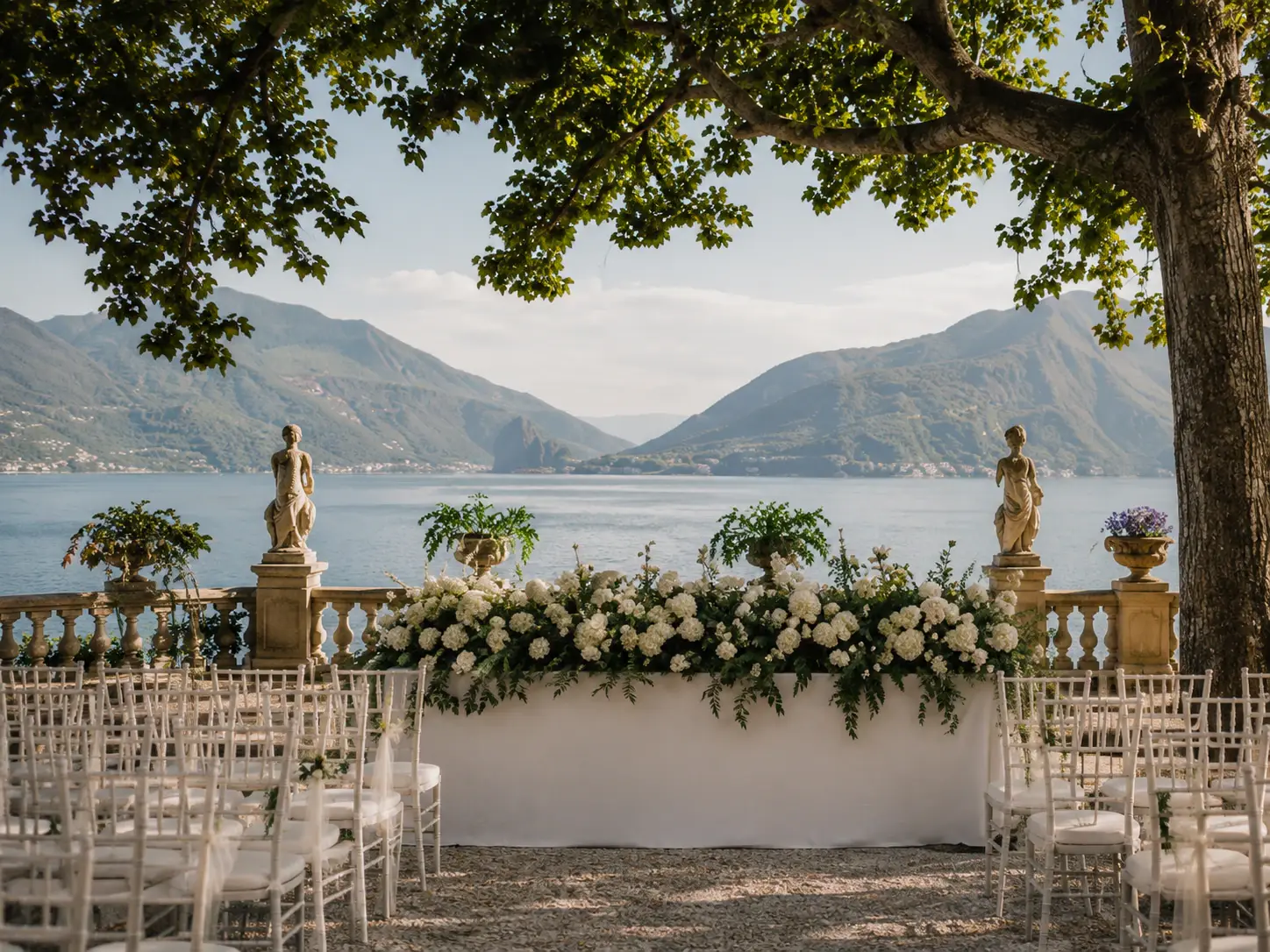
Castles and Historic Palaces
Castles and palaces create an atmospheric setting that feels distinctly Italian.
They can be particularly striking for evening celebrations, candlelit dinners and weddings with a strong sense of history.
However, older properties may have practical limitations, including narrow access roads, many stairs, limited climate control and restrictions around production equipment.
Always evaluate the experience—not just the appearance.
A venue should feel impressive when guests arrive, but it should also remain comfortable several hours later.
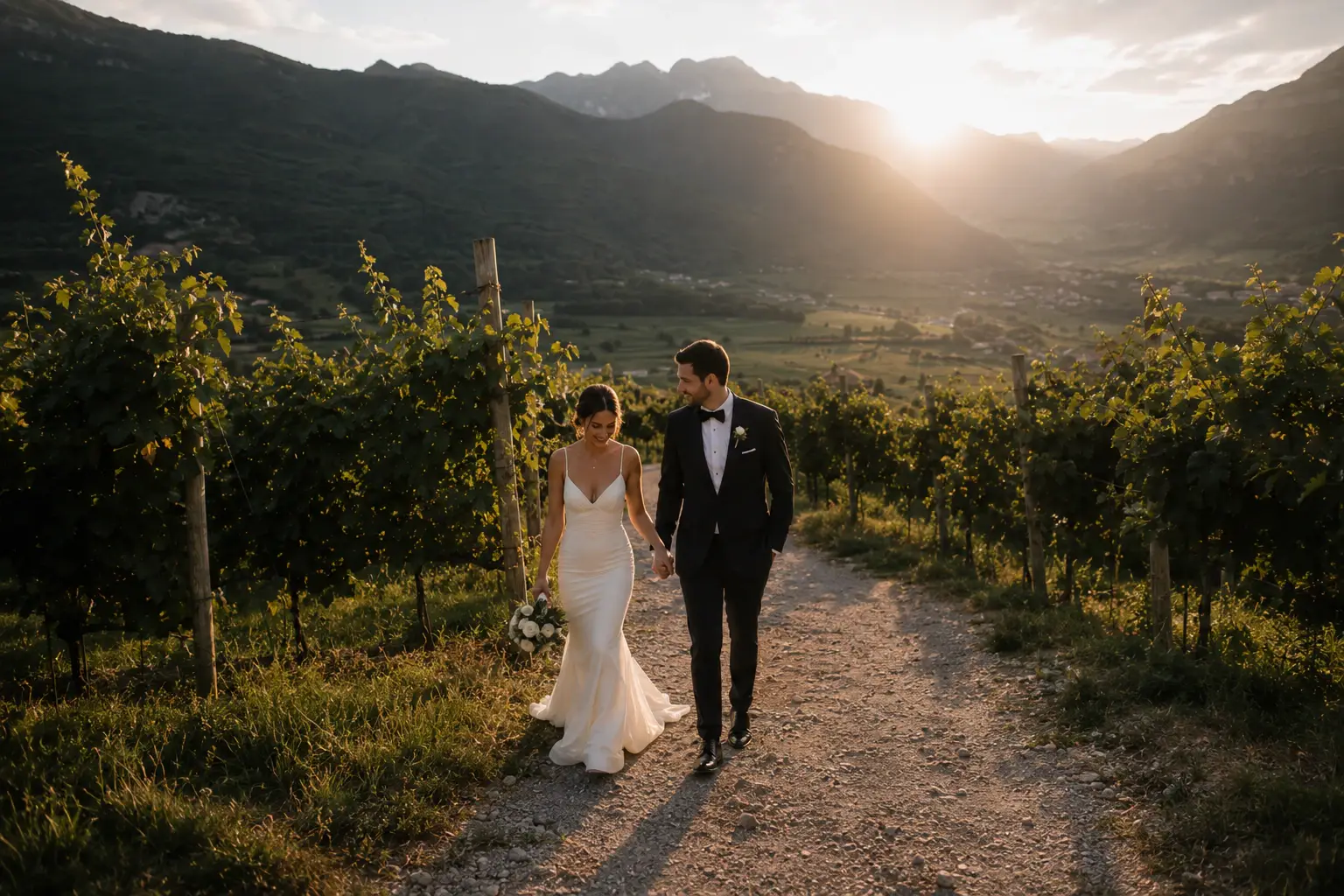
Vineyards and Wineries
For couples who value food, wine and a relaxed atmosphere, vineyards can be an excellent choice.
They naturally support long dinners, local menus, wine tastings and multi-day celebrations connected to the region.
Many wineries offer beautiful outdoor spaces, but not all were designed as wedding venues. Infrastructure varies considerably.
Confirm:
Indoor capacity in case of rain
Bathroom facilities
Kitchen and catering access
Lighting after sunset
Transport for guests
Noise restrictions
Whether production continues during the event
Venue Questions Couples Often Forget to Ask
Before signing a contract, request clear written answers to the following:
Is VAT included in the quoted price?
Is exclusive use included?
What is the latest permitted end time?
Can music continue indoors after the outdoor curfew?
Is there a sound limiter?
What happens if it rains?
Does the rain plan comfortably fit every guest?
Are furniture, lighting and tableware included?
Is there a mandatory catering company?
Are external suppliers charged an access fee?
Is accommodation compulsory?
Are there minimum-night requirements?
Can buses reach the entrance?
Is there parking for suppliers and guests?
Are there rooms available for both partners to get ready?
Is there air conditioning in the preparation and reception spaces?
Are candles, fireworks or confetti permitted?
Is a wedding planner mandatory?
Are there extra cleaning, security or overtime fees?
Will another wedding or event take place at the property that weekend?
A venue’s base rental price rarely tells the full story.
The final cost often changes considerably once accommodation, catering minimums, furniture, lighting, transport, security, cleaning and overtime are added.
Never Book an Outdoor Venue Without a Real Rain Plan
Italy is associated with sunshine, but no destination offers guaranteed weather.
A proper rain plan should not feel like an emergency alternative. It should feel like another beautiful version of the wedding.
When viewing venues, ask to see the actual indoor spaces that would be used—not simply a floor plan or the reassurance that “something can be arranged.”
Check whether the indoor plan provides:
Enough space for every guest
A comfortable ceremony layout
A separate area for aperitivo
Appropriate dining capacity
Space for speeches and entertainment
A proper dance floor
Good ventilation or air conditioning
Attractive light for photographs and film
If the backup plan would force guests into several disconnected rooms, remove the dance floor or significantly change the atmosphere, consider whether the venue is still right for you.
The best venues are not only beautiful in perfect weather. They remain beautiful when plans need to change.
When Should You Book Your Italian Wedding Venue?
For popular dates between May and September, many sought-after venues are booked 12 to 24 months in advance.
Highly exclusive properties, weekends in June or September and dates with symbolic appeal may be reserved even earlier.
A general planning window is:
18–24 months before: exclusive villas, luxury hotels and high-demand Saturdays
12–18 months before: most established wedding venues
9–12 months before: smaller weddings, weekday dates and less competitive regions
Under nine months: possible with flexibility around location, date and supplier availability
Booking earlier also gives international guests more time to arrange travel, accommodation and childcare.
However, do not rush into signing simply because a venue mentions limited availability.
Review the complete contract, cancellation terms, payment schedule, accommodation obligations and all additional fees first.
Choosing the Best Time of Year for a Destination Wedding in Italy
There is no universally perfect month for getting married in Italy.
The best time depends on the region, the type of venue, your tolerance for heat, guest availability and the atmosphere you want.
For many destinations, late spring and early autumn offer the most balanced conditions. Temperatures are generally more comfortable, landscapes remain beautiful and celebrations can take place outdoors without the intensity of peak summer heat.
However, every region has its own climate and seasonal rhythm.
A June wedding in the Dolomites feels very different from a June wedding in Tuscany. A September celebration on Lake Garda may still feel summery, while evenings in the mountains can already be cool.
Spring Weddings: April and May
Spring brings fresh landscapes, flowers and generally comfortable daytime temperatures.
May is particularly popular because it offers longer days without the highest summer heat.
Potential advantages include:
Green landscapes and seasonal flowers
Comfortable temperatures
Softer light
Fewer crowds than July and August
Better conditions for outdoor portraits
Possible considerations:
Rain remains possible
Pools and lakes may still feel cold
Mountain venues can have unpredictable conditions
Some seasonal properties may only be reopening
Early Summer: June
June is one of the most desirable months for weddings in Italy.
Days are long, evenings are warm and the landscape usually remains fresh before the driest part of summer.
It works particularly well for outdoor ceremonies, long aperitivo hours and dinners that continue after sunset.
Because demand is extremely high, couples should expect:
Premium venue pricing
Strong competition for suppliers
Busy tourist destinations
Higher accommodation costs
The need to book well in advance
High Summer: July and August
July and August offer reliable summer weather, but they can also bring intense heat—particularly in Tuscany, cities and inland regions.
Outdoor ceremonies held in the middle of the afternoon may be uncomfortable for guests, suppliers and the couple.
If you choose these months:
Schedule the ceremony later in the day
Provide shade and water
Choose air-conditioned preparation spaces
Avoid long transfers in uncooled vehicles
Consider lighter menus
Provide fans or parasols
Confirm that the venue has a comfortable indoor option
August also coincides with the main Italian holiday period. Some suppliers and local businesses may have reduced availability, while popular destinations can become extremely busy.
Early Autumn: September and October
September is one of the most requested months for Italian weddings.
Temperatures are often warm but more comfortable than peak summer, and the light becomes softer later in the season.
In vineyard regions, harvest season can add atmosphere and colour to the landscape.
October can be beautiful for smaller weddings, particularly in Tuscany and around the lakes, but days become shorter and weather is less predictable.
Advantages may include:
Comfortable temperatures
Softer golden light
Harvest-season landscapes
Fewer peak-summer tourists
More comfortable formalwear
Considerations include:
Earlier sunsets
Cooler evenings
Increased chance of rain later in autumn
Seasonal venue closures in some areas
→ Read the complete guide to the Best Time to Get Married in Northern Italy.
Once the destination, venue and season begin to take shape, the next question is how long the celebration should last.
For couples inviting guests from several countries, a single wedding day can feel surprisingly short.
After months of planning and hours of international travel, the ceremony, dinner and dancing may pass almost immediately.
This is why so many destination weddings in Italy are now designed as two- or three-day experiences.
A wedding weekend gives guests time to arrive, connect and enjoy the destination without placing every meaningful moment into one tightly scheduled day.
And, most importantly, it gives the couple time to be present.
The next section will build the complete multi-day structure: welcome event, wedding-day timeline, farewell gathering, guest logistics and how to decide which parts should be professionally photographed and filmed.
One Wedding Day or an Entire Wedding Weekend?
A destination wedding does not necessarily need to last several days.
For smaller guest lists, shorter travel distances or more intimate celebrations, one thoughtfully planned wedding day may be exactly right.
However, when guests are travelling internationally, a multi-day format often creates a more relaxed and rewarding experience.
Instead of meeting everyone for the first time shortly before the ceremony, you have time to welcome them, introduce different groups of friends and allow the celebration to build naturally.
A wedding weekend can also reduce pressure on the wedding day itself.
Not every conversation, photograph, speech or meaningful interaction needs to happen within a few tightly scheduled hours. Guests have more time together, while the couple can move through the celebration without feeling that every moment is slipping away too quickly.
A Single Wedding Day May Be Right for You If:
Most guests are already travelling within Italy or Europe
You prefer a smaller and more intimate celebration
Your venue and accommodation are in the same place
You want to concentrate your budget on one exceptional event
You prefer a simpler planning process
Your guests are extending their trip independently before or after the wedding
A one-day wedding can still feel like a complete destination experience, particularly when guests stay nearby and spend informal time together outside the official schedule.
A Multi-Day Wedding May Be Right for You If:
Guests are travelling from several countries
You expect many people to arrive one or two days early
You want different groups of guests to become comfortable with one another
The destination offers experiences worth sharing
You want more relaxed time with family and friends
You would like photography and film to tell a broader story
You want the celebration to feel like a journey rather than a single event
The most common format is a three-day wedding weekend consisting of a welcome event, the wedding day and a farewell gathering.
How a multi-day celebration can flow
There is no single correct structure for a wedding weekend.
The schedule should reflect your guest list, venue, destination and priorities.
However, the following format works particularly well because it creates a natural rhythm: guests arrive and connect, the celebration reaches its emotional peak on the wedding day, and everyone has an opportunity to gather once more before leaving.
SAMPLE WEDDING DAY
A practical three-day wedding weekend
WEDDING WEEKEND AT A GLANCE A Three-Day Destination Wedding Timeline A balanced wedding weekend gives guests time to arrive, connect and enjoy the destination without making every day feel heavily scheduled.
Day One Arrival day: Welcome drinks, aperitivo or informal dinner
Relaxed, social and easy for guests joining at different times
Day Two Wedding day: Preparations, ceremony, aperitivo, dinner and dancing
Emotional, celebratory and carefully paced
Day Three Departure day: Farewell brunch, pool gathering or relaxed lunch
Informal, unhurried and easy to leave early when necessary
The purpose of this structure is not to fill every available hour.
A destination wedding should still leave guests time to rest, explore, recover from travel and enjoy the place independently.
The strongest wedding weekends feel thoughtfully organised but never over-programmed.
Day One: The Welcome Event
The welcome event sets the emotional tone for the entire weekend.
It is the first moment when most guests gather in one place, and it often becomes one of the most relaxed and joyful parts of the celebration.
Guests who have only heard about one another finally meet. Family members reconnect. Friends from different stages of the couple’s lives begin to mix.
By the end of the evening, the wedding no longer feels like a room full of separate groups.
It begins to feel like one celebration.
What Kind of Welcome Event Should You Plan?
The event does not need to be elaborate.
In many cases, simplicity works best.
Popular options include:
A lakeside aperitivo
A relaxed pizza night
A garden dinner
A wine tasting
Cocktails on a hotel terrace
A barbecue at a private estate
A casual dinner in a local restaurant
A sunset boat experience followed by drinks
The style should feel distinct from the wedding day.
If the wedding itself will be formal, the welcome event can be more relaxed. If the wedding venue is highly architectural, the first evening might take place outdoors or in a local restaurant.
The contrast helps each event feel memorable in its own way.
Should Every Guest Be Invited?
For destination weddings, it is generally best to invite everyone who has travelled for the celebration.
Hosting a welcome event only for selected guests can create awkwardness, particularly when most people are staying in the same location.
That does not mean you must provide a full formal dinner.
A two-hour aperitivo with drinks and light food may be enough to make guests feel welcomed without creating the cost and production of a second wedding reception.
How Long Should the Welcome Event Last?
Approximately three to four hours is usually ideal.
Guests may still be tired from travelling, and some may arrive later than expected. An event with a flexible arrival period works better than a tightly scheduled dinner immediately after international travel.
For example:
18:00: Drinks begin
18:30–19:30: Guests arrive gradually
19:30: Food is served
21:30–22:00: Event concludes
Ending at a reasonable time also allows the couple, wedding party and close family to rest before the wedding day.
Should the Welcome Event Be Photographed?
Professional coverage is particularly valuable when:
Guests are arriving from several countries
You are planning a visually distinctive event
The welcome dinner includes speeches or performances
You want more candid photographs of family and friends
The event takes place on a boat, terrace, vineyard or scenic property
You want the final gallery and film to tell the complete story of the weekend
The welcome event often produces some of the most natural photographs because guests are relaxed and there is less pressure than on the wedding day.
Coverage does not necessarily need to last for the entire evening.
Two or three hours may be enough to document the setting, arrivals, interactions, food and atmosphere.
Day Two: The Wedding Day
The wedding day should feel spacious, even when many things are happening.
One of the most common destination-wedding mistakes is creating a timeline that looks efficient on paper but leaves no room for delays, conversations or emotion.
In Italy, additional time may be needed for:
Travelling along narrow or busy roads
Moving guests between hotels and the venue
Boat transfers
Warm weather and hydration breaks
Multiple ceremony languages
Longer Italian-style meals
Speeches and entertainment
Sunset portraits
Venue curfews and sound restrictions
A strong timeline protects the experience rather than simply organising it.
A Sample Wedding-Day Timeline
The exact timing will depend on sunset, season, ceremony type and venue logistics, but this example creates a comfortable rhythm for a summer wedding.
SAMPLE WEDDING DAY
A Relaxed Summer Wedding Timeline
SAMPLE WEDDING DAY A Relaxed Summer Wedding Timeline This example is designed for a late-afternoon ceremony, an outdoor aperitivo and dinner followed by dancing.
Photography and film coverage begins
Final preparation details, atmosphere, venue imagery and relaxed moments with close friends and family.
Guests begin arriving
Welcome drinks, music and enough time for everyone to settle before the ceremony.
Ceremony
A late-afternoon ceremony avoids the strongest heat and creates softer, more flattering light.
Aperitivo
Drinks, canapés, candid guest photographs and a small number of family portraits.
Couple portraits
A short and relaxed portrait session while guests continue enjoying aperitivo.
Dinner begins
A multi-course dinner with speeches spaced naturally between courses.
Sunset photographs
Ten to fifteen minutes away from dinner, depending on the season and the exact sunset time.
Cake and first dance
A natural transition from dinner into the evening celebration.
Party
Dancing continues according to the venue’s music restrictions and agreed curfew.
This timeline should be treated as a framework rather than a fixed formula.
The ceremony may need to begin earlier in spring or autumn, while midsummer weddings may benefit from an even later start.
Sunset should always be checked for the exact date and location before finalising the schedule.
Leave More Time Than You Think You Need
Destination weddings involve many moving parts.
A five-minute delay can quickly become twenty minutes when guests are transported by bus, boat or several smaller vehicles.
Build additional time around:
Guest transfers
Boat departures
Ceremony arrivals
Family photographs
Room changes
Dinner service
Speeches
Entertainment setup
Sunset portraits
This does not mean creating long periods where nothing happens.
It means allowing the celebration to breathe.
A well-planned timeline should feel calm to the guests, even when a great deal of coordination is happening behind the scenes.
Day Three: The Farewell Gathering
After months—or even years—of planning, many couples are surprised by how quickly the wedding day passes.
The farewell gathering creates one final opportunity to slow down, spend time with the people who travelled to celebrate with you and bring the weekend to a natural close.
Unlike the wedding day, there is no strict schedule, no formal dress code and no pressure to follow a timeline.
Instead, guests can relax, share stories from the previous evening and enjoy a final few hours together before beginning their journeys home.
For many couples, these quieter moments become some of the most meaningful memories of the entire weekend.
Does Every Destination Wedding Need a Farewell Brunch?
Not necessarily.
A farewell gathering works best when:
Most guests are staying for at least two nights
People are leaving throughout the afternoon rather than early in the morning
Accommodation is concentrated in one or two locations
The destination itself encourages guests to spend additional time together
If many guests have early flights or long journeys home, a farewell brunch may not be practical.
In those situations, a relaxed breakfast at the hotel or an informal coffee gathering can feel just as thoughtful.
The goal is not to create another event.
It is simply to give everyone one last opportunity to say goodbye without the rush that often follows the wedding reception.
Popular Farewell Ideas
The farewell gathering should feel noticeably different from the wedding day.
Rather than another formal celebration, think of it as the final chapter of the weekend.
Some of the most popular options include:
A relaxed brunch overlooking the lake
Breakfast in the hotel garden
A poolside gathering
A vineyard lunch
Pizza and local wine
A casual picnic
A private boat excursion
Coffee and pastries before departures
Choose an activity that reflects both your destination and your personalities.
A vineyard lunch may feel perfect in Tuscany, while a lakeside brunch naturally suits Lake Garda or Lake Como.
In the Dolomites, some couples even organise a short scenic walk followed by lunch in a mountain hut.
Should You Provide Food?
Almost always, yes.
Guests have often travelled internationally, celebrated late into the night and may be leaving directly afterwards.
Offering a simple meal is a thoughtful way to thank everyone for making the journey.
It doesn't need to be elaborate.
Fresh pastries, coffee, fruit, local cheeses and light brunch dishes are often more than enough.
The atmosphere matters far more than creating another formal reception.
How Long Should It Last?
Unlike the wedding day, flexibility is the key.
A farewell brunch usually works best when guests are free to arrive and leave whenever they need.
A typical schedule might look like this:
10:00: Brunch begins
10:30–12:00: Guests arrive gradually
12:30: Informal speeches or thank-you toast (optional)
13:30–14:00: Most guests depart
This relaxed format allows people with earlier flights to stop by briefly while giving others more time to enjoy the destination.
Should the Farewell Gathering Be Photographed?
That depends on the overall story you want your wedding gallery or film to tell.
Professional coverage can be worthwhile if:
The gathering takes place in a beautiful location
You have many international guests
Several family members are leaving immediately afterwards
You want to capture quieter, more candid moments
The farewell includes a special activity such as a boat trip or vineyard lunch
Unlike the wedding day, photography here is usually documentary rather than directed.
There are no formal portraits or carefully planned moments.
Instead, the focus is on natural conversations, laughter and the final hours spent together.
For many couples, these images become a gentle ending to the story of the weekend.
Guest Logistics: Making the Experience Easy for Everyone
One of the biggest differences between a local wedding and a destination wedding is that your guests become travellers as well as guests.
While they expect to organise parts of their own trip, thoughtful planning can make the entire experience feel considerably more relaxed.
The easier it is for guests to reach the venue, understand the schedule and move between locations, the more present they will be during the celebration itself.
Many couples spend months choosing flowers and table settings, yet surprisingly little time thinking about the guest journey.
In reality, logistics often have a greater impact on the overall experience than decorative details.
Choosing the Most Convenient Airport
Before confirming your venue, consider how guests will actually reach it.
Ask yourself:
Are there direct international flights?
How many airports are nearby?
Will most guests need to rent a car?
Can they travel comfortably by train?
How long is the transfer from the airport?
Are late-night arrivals practical?
For example, a venue may look only 90 kilometres from the nearest airport, but winding mountain roads can easily turn that journey into a two-hour transfer.
Looking at travel times—not just distances—will help you make more informed decisions.
Accommodation: Keep Guests Close Whenever Possible
One of the simplest ways to improve the wedding experience is by reducing the amount of travelling guests need to do once they arrive.
Whenever possible, choose accommodation that is:
Within walking distance of the venue
Connected by shuttle service
Easy to reach by taxi
Suitable for different budgets
If everyone is staying in the same hotel or estate, the weekend naturally feels more connected.
Guests meet at breakfast, spend time together during the day and arrive at each event without complicated transport arrangements.
When that isn't possible, consider recommending several nearby accommodation options instead of leaving guests to search independently.
Each option should ideally suit a different budget while remaining reasonably close to the venue.
Should You Organise Transportation?
If guests need to travel between hotels and the venue, the answer is usually yes.
Providing organised transport removes uncertainty, improves punctuality and allows everyone to enjoy the celebration without worrying about driving afterwards.
Transport is particularly valuable when:
The venue is in the countryside
Parking is limited
Guests are unfamiliar with the area
Alcohol will be served
Several hotels are being used
Shuttle buses are often the simplest and most cost-effective solution, especially for larger guest lists.
Guest information to share before the wedding
Keep the practical information in one clear, current place—usually your wedding website or a concise welcome note. Share the schedule, addresses, accommodation, transfers, dress guidance for the terrain and weather, accessibility, childcare or adults-only arrangements, and an emergency contact.
Guests do not need more content. They need reliable information at the moment they are booking travel and again shortly before they leave.
Photography & Videography: Preserving More Than Just the Wedding Day
One of the greatest advantages of a destination wedding is that the story unfolds over several days rather than a single afternoon.
The welcome dinner, spontaneous conversations, quiet moments by the pool, sunset walks, emotional reunions and farewell brunch all become part of the experience.
Choosing a photographer and videographer who understand how to document that entire journey—not just the ceremony itself—can make an enormous difference to how your memories are preserved.
Unlike traditional weddings, destination celebrations often place a greater emphasis on storytelling than on individual moments.
The result is a gallery and film that capture not only how your wedding looked, but also how the entire experience felt.
If you're still searching for your photographer, we also recommend reading our guide on how to choose an Italy destination wedding photographer, where we share practical advice on what to look for before making your decision.
For a clearer view of coverage options, read our Italy wedding photography and videography guide. When you are ready to connect the planning with our approach, explore WeddingStudio weddings in Italy.
Common Mistakes Couples Make When Planning a Destination Wedding in Italy
Planning a destination wedding in Italy is an exciting experience, but it's also very different from organising a wedding close to home.
Many of the challenges couples face have little to do with the wedding itself and everything to do with travel, logistics and creating a comfortable experience for guests.
Fortunately, most of these issues are entirely avoidable with good planning.
Here are some of the most common mistakes—and how to avoid them.
Choosing a Venue Before Thinking About Guest Logistics
It's easy to fall in love with a breathtaking villa or secluded castle after seeing beautiful photographs online.
However, before booking any venue, ask yourself one simple question:
How easy will it be for our guests to get there?
A spectacular venue becomes much less enjoyable if guests need multiple flights, a lengthy transfer and complicated transport arrangements just to attend.
Whenever possible, balance beauty with accessibility.
Venues located within a reasonable distance of international airports, train stations and accommodation generally provide a far smoother experience for everyone involved.
Underestimating Travel Times
Italy often looks deceptively small on a map.
A venue that's only 70 or 80 kilometres away may still require well over an hour to reach, particularly in mountain regions or around the lakes where roads are narrow and winding.
Always plan your schedule using travel time rather than distance.
This is particularly important when arranging airport transfers, welcome dinners and photography sessions at multiple locations.
Building extra time into the schedule creates a much more relaxed experience for everyone.
Scheduling the Ceremony Too Early in Summer
During the warmer months, particularly from June through August, afternoon temperatures can become uncomfortable.
A ceremony at 2:00 or 3:00 pm may leave both the couple and their guests standing in direct sunlight during the hottest part of the day.
Whenever possible, consider a later ceremony.
Starting around 5:00 or 6:00 pm often provides:
More comfortable temperatures
Softer, more flattering light
A relaxed aperitivo at sunset
A smoother transition into dinner and the evening celebration
The entire day tends to feel more enjoyable without sacrificing any part of the celebration.
Trying to Fill Every Minute of the Weekend
When guests have travelled internationally, it's natural to want to make every moment special.
However, planning too many organised activities can have the opposite effect.
A destination wedding should never feel like a conference schedule.
Leave room for guests to:
Explore the destination
Relax by the pool
Enjoy local cafés
Spend time with friends and family
Recover after travelling
Often, these unscheduled moments become some of the most memorable parts of the entire weekend.
Forgetting About the Rain Plan
Outdoor ceremonies are one of Italy's greatest attractions, but weather is never guaranteed.
A strong backup plan should be considered an essential part of planning rather than an optional extra.
Speak with your venue about:
Covered ceremony locations
Indoor dining alternatives
Guest umbrellas
Covered aperitivo spaces
Photography options in wet weather
Knowing exactly what happens if it rains allows everyone to relax, regardless of the forecast.
Not Allowing Enough Time for Photography
One of the most common planning mistakes is assuming photographs happen only during the portrait session.
In reality, beautiful wedding galleries are built from many different moments throughout the day.
These include:
Preparations
Guest arrivals
The ceremony
Aperitivo
Family photographs
Couple portraits
Reception details
Speeches
Sunset portraits
Dancing
Rushing from one event to the next leaves very little opportunity to capture the atmosphere naturally.
A relaxed timeline almost always results in more authentic photographs.
Ignoring Sunset Times
Golden hour varies dramatically depending on both the season and the region of Italy.
During midsummer, sunset may not occur until after 9:00 pm in some areas, while autumn and spring evenings become darker much earlier.
Rather than choosing portrait times arbitrarily, build your timeline around the actual sunset for your wedding date.
Even ten minutes of beautiful evening light can completely transform your photographs.
Hiring Suppliers Who Don't Know the Area
Experienced local suppliers often solve problems before they happen.
They know:
Typical traffic conditions
Seasonal weather patterns
The best portrait locations
Alternative indoor options
Local regulations
Reliable transport providers
Venue workflows
Whether you're hiring a planner, photographer or florist, local knowledge often proves just as valuable as artistic talent.
Forgetting That Guests Are on Holiday Too
Your guests aren't simply attending a wedding—they're using their holiday time and travel budget to celebrate with you.
Making their experience enjoyable should be part of your planning process.
Small gestures can make a remarkable difference, including:
Clear travel information
Accommodation recommendations
Organised transportation
Flexible schedules
Welcome bags
Local recommendations
Time to explore independently
When guests feel relaxed, the atmosphere throughout the weekend becomes noticeably warmer and more enjoyable.
Remember: Simplicity Creates Better Experiences
One of the biggest misconceptions about destination weddings is that they need to be larger, busier or more elaborate than traditional celebrations.
In reality, the opposite is often true.
The most memorable destination weddings are rarely those with the busiest schedules or the most extravagant décor.
Instead, they're the weddings where guests feel comfortable, the timeline flows naturally and every part of the celebration leaves room for genuine connection.
By focusing on the experience rather than trying to fill every minute, you'll create a wedding weekend that feels effortless—and one that your family and friends will remember long after they return home.
Frequently asked questions
Destination Wedding in Italy FAQ
How much does a destination wedding in Italy typically cost?
Costs vary depending on the destination, venue, guest count and season. Most destination weddings in Italy typically range from €25,000 to well over €100,000, with luxury celebrations exceeding that.
The final investment will depend largely on the type of venue, number of events, accommodation, transportation, catering, entertainment, styling, photography and videography you choose.
How far in advance should we start planning?
Ideally, begin planning 12 to 18 months before your wedding.
If you are planning a celebration during peak season or have a dream venue in mind, 18 to 24 months provides much greater flexibility.
What is the best time of year to get married in Italy?
Spring and early autumn are generally the most popular seasons thanks to mild temperatures and beautiful scenery.
Summer offers long evenings but can be considerably hotter, while winter provides a quieter and often more intimate atmosphere in many destinations.
Which region of Italy is best for a destination wedding?
That depends entirely on the experience you are looking for. Lake Como is known for timeless luxury, Tuscany for vineyards and countryside villas, Lake Garda for relaxed lakeside celebrations and the Dolomites for breathtaking mountain scenery.
Trentino and Verona can also be beautiful alternatives for couples who want an elegant Italian wedding experience with a slightly less crowded feeling.
Should we have a legal or symbolic ceremony?
Many international couples choose a symbolic ceremony because it offers greater flexibility and avoids much of the paperwork required for a legal marriage abroad.
The legal marriage can often be completed in your home country before travelling to Italy, allowing the wedding day itself to feel more personal and relaxed.
Do we need a wedding planner?
While it is not essential, working with an experienced local planner can simplify logistics, supplier coordination, timelines and communication.
For destination weddings, a planner can also help you make better decisions around venues, transportation, guest experience and backup plans, so the process feels much less stressful.
Should we organise transportation for guests?
If guests are staying in different hotels or your venue is located outside a town or city, organised shuttle transportation is usually one of the best investments you can make.
It helps guests move safely and comfortably between locations, especially after dinner, speeches and dancing.
How many days should a destination wedding last?
Most couples plan a three-day experience including a welcome event, the wedding day and a farewell brunch.
This gives guests time to enjoy both the celebration and the destination itself without feeling rushed.
What happens if it rains?
Every outdoor wedding should include a well-prepared backup plan.
Discuss indoor ceremony options, covered aperitivo spaces and alternative photography locations with your venue long before the wedding day.
How many hours of photography coverage do we need?
Most destination weddings benefit from 10 to 12 hours of coverage to capture preparations, the ceremony, portraits, aperitivo, dinner, speeches, sunset and dancing.
Many couples also choose coverage for the welcome dinner or farewell brunch to tell the complete story of the weekend.
Italy wedding planning
Continue planning your wedding in Italy
Planning a destination wedding involves many decisions beyond choosing a beautiful venue. Explore our most helpful guides below to learn more about costs, seasons, locations and photography across Italy.
If you are looking for relaxed, timeless photography and videography that tells the complete story of your wedding weekend, we would love to hear more about your plans.