
Start Here
What Couples Often Forget Planning a Destination Wedding
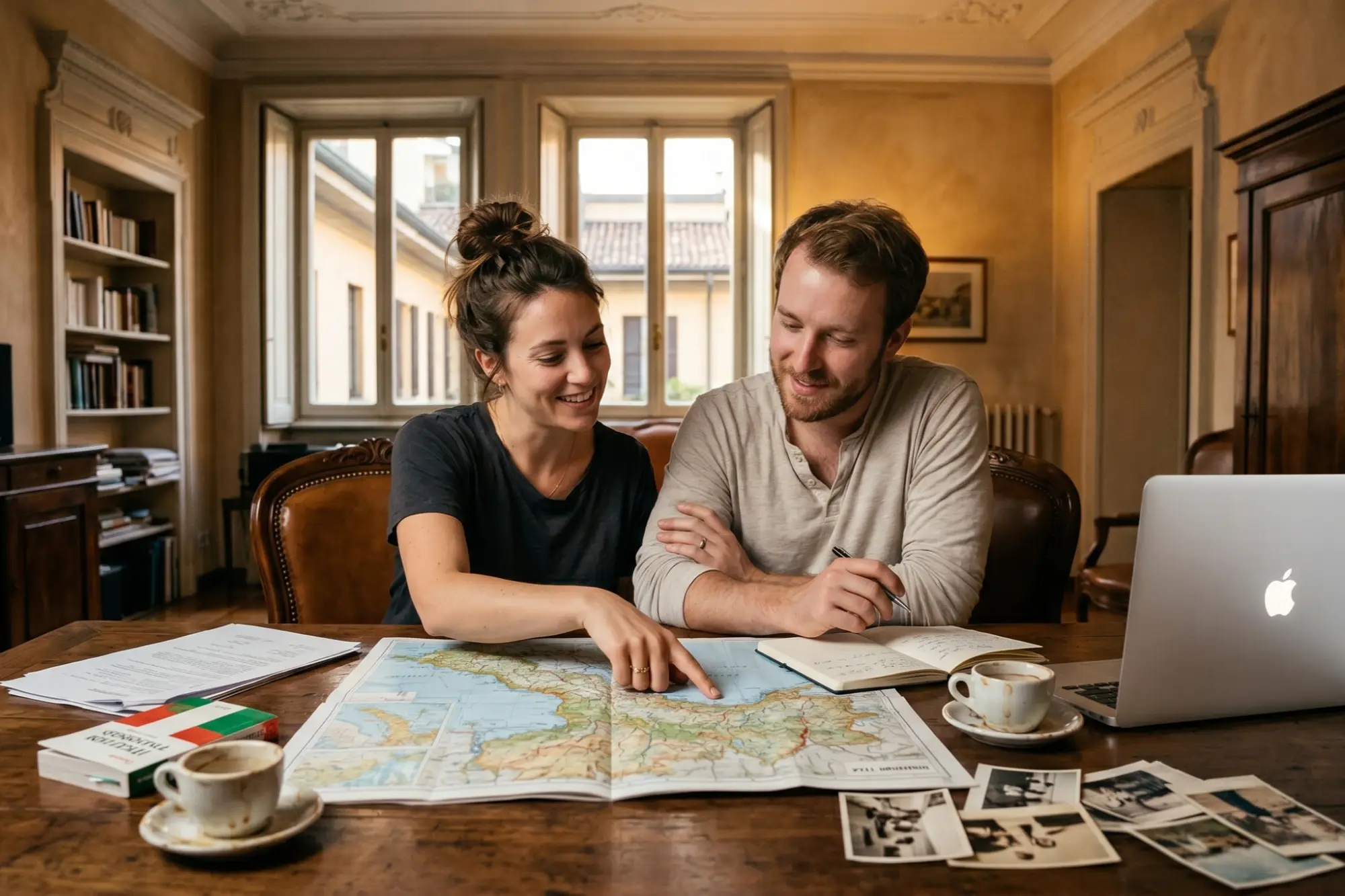
The ceremony view gets saved to Pinterest. The villa gets booked. Flights are compared, outfits are chosen, and dinner under the lights starts to feel real. Then, somewhere between the dream and the schedule, what couples often forget when planning a destination wedding begins to matter just as much as the setting itself.
A destination wedding asks more of you than a local celebration. Not in a dramatic way, but in a thousand small decisions that shape how the day actually feels. The most beautiful weddings are rarely the ones with the most moving parts. They are the ones where the couple has left room for comfort, timing, and real connection.
What couples often forget when planning a destination wedding
Most couples remember the big visual pieces first. The location, the guest count, the design direction, the ceremony backdrop. What gets overlooked are the less glamorous details that protect the experience. Those details are usually the difference between a day that feels calm and a day that feels rushed, beautiful but slightly disconnected.
One of the biggest things couples forget is that travel affects everyone differently, including them. If you're getting married in Lake Como, Tuscany, the Dolomites, or anywhere else your guests need to reach by plane, train, car, or boat, the wedding doesn't begin at the ceremony. It begins with logistics. Delays, language barriers, unfamiliar roads, and fatigue all shape the emotional tone of the weekend.
That doesn't mean you need to control every moment for your guests. It does mean they need clarity. A simple, well-communicated plan for transportation, arrival timing, and where they need to be can remove a huge amount of low-level stress. Couples sometimes assume guests will "figure it out" because everyone is excited to be there. Sometimes they do. Sometimes they arrive flustered, late, or already exhausted before the day has even started.
Another common oversight is underestimating how long things take in an unfamiliar place. Distances can look short on a map and feel very different in real life. A 20-minute drive can easily become 45 minutes on narrow roads, during summer traffic, or with shuttle coordination. Boat transfers have their own rhythm. Mountain weather changes quickly. Historic venues often come with stairs, restricted access, or limited parking. This is one reason destination wedding timelines need more breathing room than couples expect.
The timeline matters more than the aesthetic
Couples often spend months refining the visual mood of the day, but far less time thinking about how the day will flow in their bodies. Will you have time to eat? Will you be alone together for ten quiet minutes after the ceremony? Will your guests be standing in the sun too long? Will hair and makeup run late because everyone is getting ready in separate rooms?
These are not minor details. They shape how present you feel.
A destination wedding timeline should protect energy, not just events. That usually means building in more transition time than feels necessary on paper. It means accepting that a relaxed day often looks slightly less packed. If you try to fit a welcome gathering, a full wedding day, and a next-day brunch into a weekend without enough space between them, the result can feel surprisingly thin. Beautiful, yes. But too fast to really absorb.
This also affects your photo and film coverage. If every part of the day is compressed, there is less room for real moments to happen naturally. Couples who want natural, emotional images often need the opposite of a tightly squeezed schedule. They need a pace that lets them arrive emotionally, not just physically.
Legal and symbolic ceremonies are not the same thing
This is one of the least romantic parts of planning, which is exactly why it gets postponed. Many couples assume they will decide on the legal side later. But legal requirements for getting married abroad can be very specific, and they vary by country, nationality, and sometimes residency.
For some couples, the easiest option is to complete the legal paperwork at home and have a symbolic ceremony abroad. For others, having the legal marriage happen at the destination feels meaningful and worth the extra process. Neither choice is better. It depends on your priorities, paperwork tolerance, and timeline.
What matters is deciding early. Leaving this until late in the planning process can create stress that touches everything else. A symbolic ceremony can offer more flexibility with timing, location, and structure. A legal one can feel more official in the moment. Both can be deeply emotional. The right choice is the one that lets you feel grounded rather than overwhelmed.
Guest experience needs as much attention as your own
When couples picture a destination wedding, they often imagine a shared holiday feeling. And that can absolutely happen. But your guests are making a real investment of time, money, and energy to be there. The more thoughtfully you support their experience, the more relaxed and joyful the whole celebration becomes.
This doesn't mean over-hosting people. It means noticing where confusion tends to happen. Think accommodation options at different price points, realistic travel guidance, local transport, dietary communication, and weather expectations. If older relatives are attending, access matters. If children are invited, childcare or schedule considerations may matter. If your guest list includes queer guests or loved ones from different cultural backgrounds, emotional safety matters too.
A destination wedding can feel incredibly intimate because people have traveled so far to share it with you. That intimacy grows when guests feel considered, not just invited.
What couples often forget when planning a destination wedding with creative teams
Vendors are not just delivering a service. They are shaping the atmosphere around you all day. This becomes even more important when you're planning from another country.
Many couples focus on style first, which makes sense. You want work you love. But in destination weddings, communication style matters just as much as aesthetics. Are your vendors calm? Clear? Collaborative? Do they understand how to work in changing light, unfamiliar venues, and multilingual environments? Can they guide gently without making you feel managed?
If you tend to feel shy in front of the camera, this matters even more. The wrong energy can make you feel observed all day. The right team helps you forget the camera is there. That is often where the most honest imagery comes from - not from perfect posing, but from feeling at ease enough to be fully present.
This is also why it's worth talking through expectations around coverage, not just deliverables. Do you want a day that feels mostly uninterrupted? Do you care more about candid moments than formal shots? Are there family dynamics, cultural traditions, or relationship details your team should understand in advance? Quiet communication before the wedding creates more ease during it.
Weather is part of the plan, not a backup problem
Destination couples often choose a place because of how it looks in a certain season. That makes sense, but weather should be treated as part of the design from the beginning, not as an inconvenient possibility.
Summer heat in Italy can be intense, especially in formalwear. Mountain regions can shift quickly from bright sun to storms. Wind changes ceremony setups. Rain affects transport, sound, hair, florals, and the mood if no one has prepared for it.
The calmest weddings are usually not the ones with perfect weather. They are the ones where everyone knows what happens if the weather changes. Shade, water, indoor options, umbrellas, adjusted timing, and a team that can pivot without panic all matter. A good plan B doesn't make the day less elegant. It makes the day feel cared for.
You still need private space inside a shared event
This may be the most forgotten part of all.
Destination weddings often become full weekends, and that can be wonderful. More time with the people you love, more atmosphere, more memories. But couples sometimes end up with almost no private time inside their own celebration. Every meal becomes social. Every transition fills up. Every quiet moment gets claimed by logistics or conversation.
If you're both naturally social, that may feel energizing. If one or both of you need a little space to settle emotionally, it can be draining. Build in protected moments that belong only to you. A slow morning. Ten minutes alone after the ceremony. A short walk during dinner. Time to absorb what is happening before moving to the next thing.
These pauses are often where the day becomes real.
They also tend to create the moments couples remember most clearly later - not only the applause, but the exhale. The hand squeeze. The look that says, "We're here. This is actually happening."
Planning a destination wedding means holding beauty and practicality at the same time. The setting matters. The atmosphere matters. But the feeling of the day lives in the details people don't always see right away. If you give enough attention to comfort, time, communication, and emotional space, the celebration has room to become what you hoped it would be - not just stunning, but deeply felt.
Looking for a wedding photographer in Italy and Stockholm City Hall?
You can explore more of our work and wedding guides below.
• Lake Como Wedding Photographer
• Lake Garda Wedding Photographer
• Dolomites Wedding Photographer
• Tuscany Wedding Photographer
• Stockholm City Hall Weddings
• Northern Italy Wedding Guides
• Contact WeddingStudio.se
Destination wedding planning
Frequently asked questions
What do couples most often forget when planning a destination wedding?
The most common oversights are guest transport, realistic travel time between locations, a weather plan, local ceremony requirements and private time for the couple. These details shape how calm the celebration feels more than decorative choices do.
Should we have a legal or symbolic ceremony in Italy?
It depends on your nationality, residency, the municipality and how much flexibility you want. A symbolic ceremony is usually simpler to adapt, while a legal ceremony requires official documents and local procedures. Confirm the current requirements with the relevant municipality or a qualified local planner.
Do we need a wedding planner for a destination wedding?
A planner is especially helpful when the wedding involves several venues, many travelling guests, local suppliers or a multi-day schedule. For a simple ceremony, a venue coordinator may cover part of the logistics, but their role and responsibilities should be clarified in writing.
What should we tell guests before they travel?
Share the nearest airports or train stations, transfer options, accommodation areas, dress guidance, the event schedule and any terrain or weather considerations. A concise wedding website or welcome note can keep this information easy to find.
What should a destination wedding backup plan include?
A useful weather plan covers more than an indoor ceremony space. It should also consider guest comfort, transport, sound, flooring, portraits and who makes the final decision. Confirm that the alternative genuinely fits your guests and the atmosphere of the day.
How much extra time should we allow for travel and transitions?
Do not rely on the driving time shown on a map alone. Add time for parking, loading guests, walking through historic venues, boats, narrow roads and seasonal traffic. Ask the venue or planner for a realistic door-to-door estimate, then protect a separate buffer around it.
How can we protect private time during a wedding weekend?
Plan one or two short pauses that belong only to you, such as ten to fifteen minutes after the ceremony or before dinner. Tell your planner and photography team in advance so that time remains protected instead of being filled with another task.
When should we book photography and film for a destination wedding?
Once the date, destination and approximate shape of the celebration are confirmed, you can compare teams and coverage properly. Look at communication and collaboration as carefully as visual style, because travel, light and a multi-location timeline all need to be coordinated before the wedding day.
Destination wedding planning
Planning your destination wedding in Italy?
If you want the weekend to feel calm, the practical details need as much care as the setting.
We can help you think through photography and film coverage around travel, light, guest movement and the pace you want for the celebration.