
Wedding Photography Advice
How to Plan a Wedding Timeline for Natural Photos
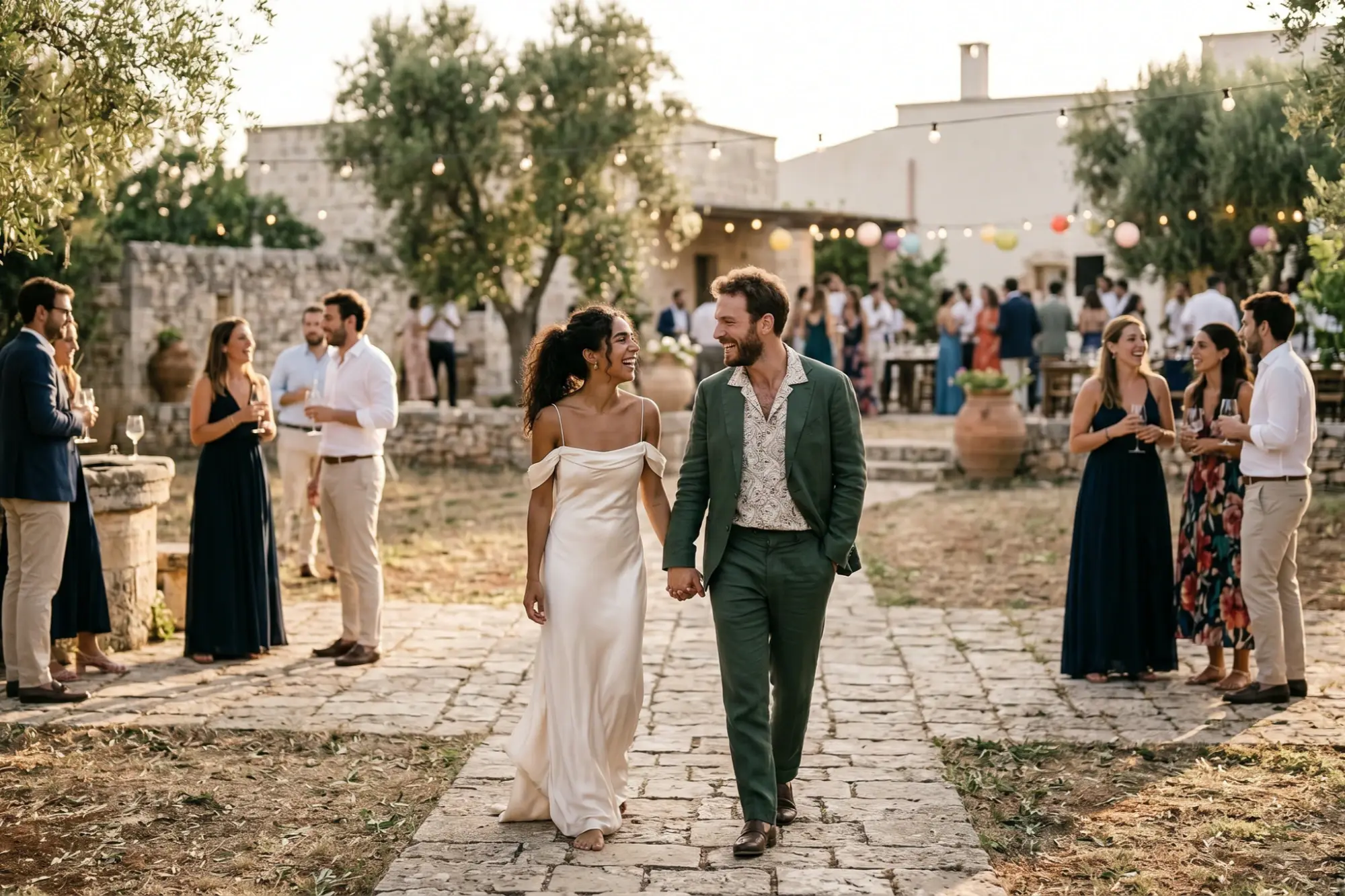
A rushed wedding day has a very specific look in photos. Shoulders creep up. Smiles get tighter. Moments that should feel easy start feeling managed. If you're wondering how to plan a wedding timeline for natural photos, the goal is not to control every minute. It's to create enough space that real moments can actually happen.
That matters even more if you already feel a little awkward in front of the camera. The most natural wedding images rarely come from packing the day with back-to-back events and hoping your photographer can somehow make it all look effortless. They come from rhythm, breathing room, good light, and a timeline that supports your experience instead of competing with it.
What natural wedding photos really need
Natural photos are not the same as unplanned photos. Documentary coverage works best when the day has a thoughtful structure behind it. Your photographer is looking for honest interactions, subtle gestures, emotion, movement, and atmosphere. All of that becomes easier to capture when no one is being rushed from one thing to the next.
In practical terms, natural imagery usually needs three things: enough time, the right light, and transitions that aren't chaotic. If one of those is missing, the day can still be beautiful, but the photos may feel more hurried or more formal than you hoped.
This is where couples sometimes get stuck. They think avoiding stiff posing means avoiding planning. Usually the opposite is true. A gentle, realistic timeline gives you freedom. It protects the parts of the day where real connection happens.
How to plan a wedding timeline for natural photos from the start
Start with priorities, not logistics. Before you decide when hair and makeup begins or how long cocktails should last, ask yourselves what you want to feel when you look back at the images. Calm? Connected? Joyful? Intimate? Lively? Those answers shape the timeline more than any checklist does.
If being present with your people matters most, give yourselves extra time in the morning and avoid an overly packed schedule before the ceremony. If sunset portraits in soft light are important, protect that part of the evening before speeches or dinner run too long. If you care deeply about candid guest moments, build in a drinks reception that isn't cut short.
A natural timeline is less about squeezing in every possible photo opportunity and more about deciding what deserves space.
Build margin into every part of the day
The biggest mistake couples make is planning a timeline that only works if everything runs perfectly. Wedding days almost never do. A zipper breaks. A parent goes missing. Transportation is five minutes late. Hair and makeup takes longer than expected. None of this is unusual, but without buffer time, small delays ripple through the whole day.
For natural coverage, margin is essential. When there is space around each part of the day, people relax. You have time to hug someone twice. You can stand by a window for a quiet breath. Your photographer can catch the in-between moments that often become favorites later.
As a general approach, add breathing room before the ceremony, around travel, and before dinner begins. Those are the points where pressure tends to build. You do not need empty hours. You just need enough flexibility that the day can move like real life.
The getting-ready part sets the tone
Morning coverage often shapes the entire visual story. If the getting-ready space is calm, bright, and not overcrowded, the photos tend to feel elegant and intimate. If it is cramped, dark, and rushed, the energy changes quickly.
Try to choose one tidy area with the best natural light for final touches. Keep bags, food packaging, and extra clothing contained if possible. That does not mean turning the room into a styled set. It simply helps the atmosphere feel less frantic.
Time-wise, avoid planning your finishing touches at the exact moment someone important arrives or transportation is due. Leave room for your photographer to capture details, interactions, and the final minutes before you get dressed without making it feel like a production.
If you're having both photography and videography, this part often benefits from a little more time than couples expect. Not because you'll be posed all morning, but because a layered story takes a little space to unfold naturally.
First look or aisle moment? It depends on the day you want
There is no universally correct answer here. A first look can make the timeline feel much more relaxed. It often allows for portraits earlier in the day, gives you a private moment together, and reduces the time needed between the ceremony and dinner. For couples who feel nervous in front of the camera, it can also take the pressure off. Once you've seen each other, everything tends to soften.
On the other hand, waiting until the ceremony can be deeply meaningful. If that moment matters to you emotionally, it's worth protecting. You may simply need to accept a tighter schedule afterward or plan for a later dinner.
The best choice depends on season, venue layout, guest count, and light. In parts of Northern Italy, for example, summer sunsets can come late, while mountain locations can lose light earlier than couples expect. A timeline that feels generous in one setting may feel compressed in another.
Portraits should feel short, easy, and well timed
Couples sometimes worry that natural photos mean no direction at all. In reality, the most relaxed portraits usually come from gentle guidance at the right time of day. You don't need an hour of posing. Most couples look and feel better with two shorter portrait sessions than one long block.
One session can happen earlier if you're doing a first look, or just after the ceremony if not. The second is ideally around sunset, when the light is softer and you have had time to settle into the day. Even ten to fifteen minutes in beautiful evening light can make a big difference.
This approach also helps if you don't love being the center of attention. Short portrait windows keep things light and manageable. You step away, reconnect, and return to your guests before it starts to feel performative.
Protect cocktail hour if you want real guest moments
Cocktail hour is often underestimated. From a storytelling point of view, it is one of the richest parts of the day. People greet each other, laugh, cry, drink, hug, and finally exhale after the ceremony. If you value candid coverage of your guests, this part deserves time.
When cocktail hour gets shortened because earlier parts of the day ran late, it changes more than the schedule. It can reduce the sense of flow and leave less room for the spontaneous moments that make a gallery feel alive.
If family photos are important, organize them efficiently so they don't consume the entire reception transition. A clear list and one person who knows the key relatives can save a surprising amount of time.
Light matters more than most couples realize
If you want soft, natural-looking images, light is one of the biggest factors in your timeline. Midday sun can still produce beautiful photographs, especially in shaded gardens, arcades, villa courtyards, or interiors with good window light, but it is less forgiving. Early evening is often where the most romantic, cinematic feeling appears.
That does not mean your whole day should revolve around sunset. It does mean you should know when it happens and decide whether to protect a short window for it. This is especially useful for destination weddings, where local sunset times, heat, and venue orientation may be unfamiliar.
A good timeline works with the location rather than fighting it. Lakeside venues, mountain settings, and historic villas all hold light differently.
Keep the evening from becoming too compressed
Receptions often run late because couples understandably want to spend time with everyone. But once dinner, speeches, cake, and dancing start stacking too tightly, the atmosphere can shift from relaxed to rushed.
If emotional speeches matter to you, give them proper space. If you want lively dance floor photos, don't push open dancing so late that energy drops. If you're planning sunset portraits, make sure dinner service or toasts won't make it awkward to step away briefly.
This is where an experienced photo and film team can be especially helpful. At WeddingStudio, timeline guidance is part of making the day feel calm, not choreographed. The right structure should support your experience first and the imagery second, because the best imagery comes from that order.
The best timeline is the one that feels like you
Some weddings are slow and intimate. Others are full, social, and beautifully energetic. Natural photos do not require one specific formula. They require honesty about what your day actually needs.
If you are private, protect quiet pockets. If your guests are central to the story, leave room for mingling. If you know transitions stress you out, simplify movement between locations. A good timeline is not impressive because it is packed. It is effective because it feels livable.
When your day has space to breathe, your photos will too. And that is usually what people mean when they say they want images that feel natural.
Looking for a wedding photographer in Italy?
If you’re planning a wedding in Lake Como, Lake Garda, Tuscany, the Dolomites or elsewhere in Northern Italy, we’d love to help you document the day in a way that feels natural, cinematic and true to you.
You can explore more of our work and wedding guides below:
Northern Italy Wedding Photographer
Lake Como Wedding Photographer
Lake Garda Wedding Photographer
Tuscany Wedding Photographer
Dolomites Wedding Photographer
Italy Wedding Guides
Contact WeddingStudio.se