
Wedding Photography Advice
How to Feel Comfortable in Front of the Camera on your Wedding
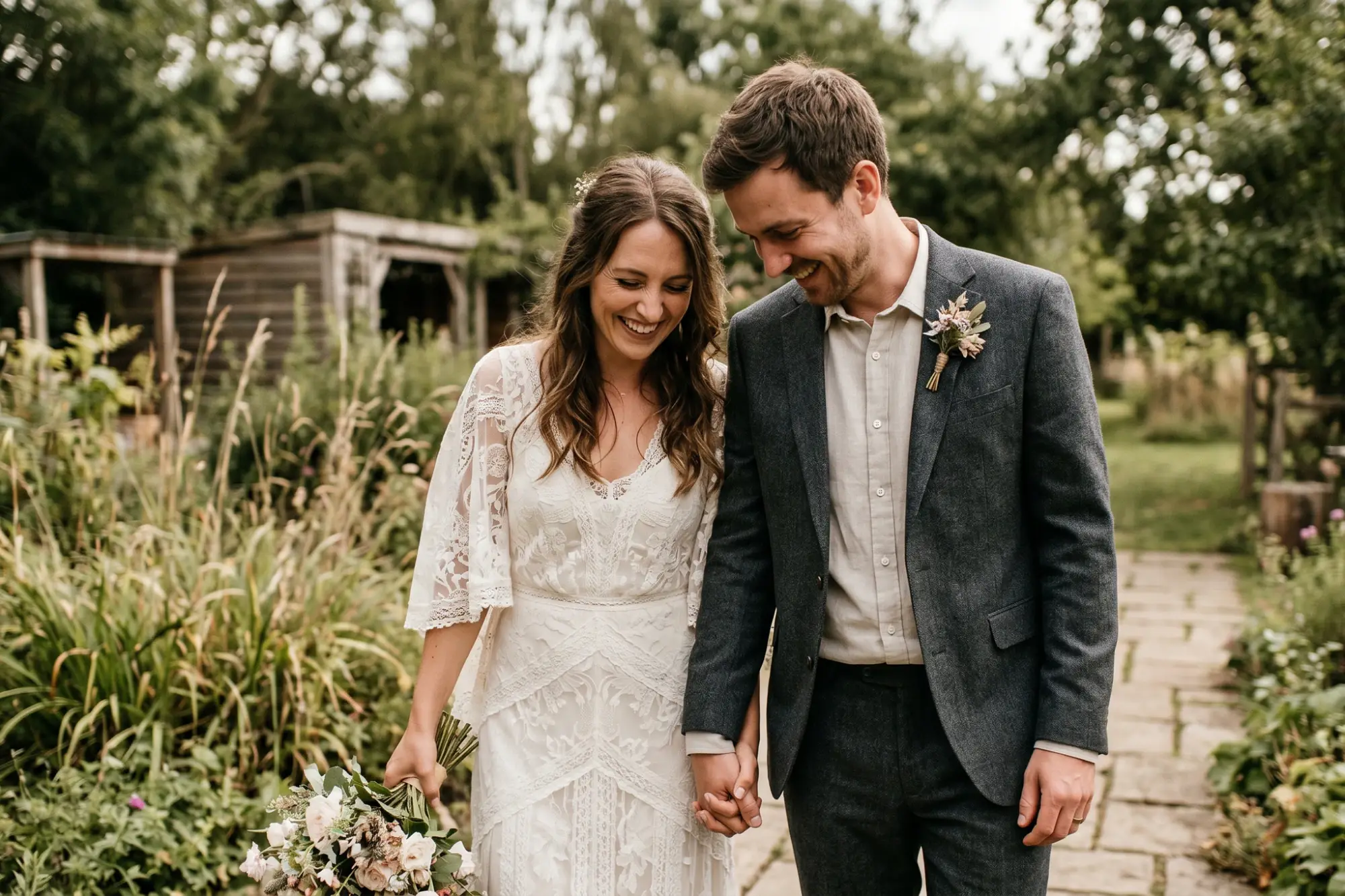
If the idea of being photographed all day makes your shoulders tense, you are not alone. One of the most common worries couples share is how to feel comfortable in front of the camera on your wedding day, especially if you do not usually like having your photo taken. The good news is that feeling natural on camera is rarely about being “good” at posing. It is usually about feeling safe, understood, and free to be present.
That matters more than people realize. When couples feel watched, they tend to perform. When they feel relaxed, they connect. And connection is what makes wedding photos and films feel timeless.
Why being camera-shy is completely normal
Most people are not professional models, and a wedding is not an ordinary day. There is emotion, anticipation, family dynamics, a schedule, and often the quiet pressure of wanting everything to look beautiful. Add a camera, and even very confident people can suddenly feel self-conscious.
A lot of that discomfort comes from misunderstanding what wedding photography and videography actually ask of you. Many couples assume they will need to pose constantly, hold expressions that do not feel natural, or spend the day being directed. That can be true with a more traditional approach. But documentary-style coverage works differently. It pays attention to what is already happening and gives gentle guidance only when it helps.
So if you feel awkward, it does not mean you are doing anything wrong. It usually means you care, and you are not used to being observed in emotional moments. That is very human.
How to feel comfortable in front of the camera on your wedding day
The biggest shift is this: stop thinking about the camera as the center of the experience. It should not be. Your wedding is still your wedding, not a photo shoot with a ceremony in the middle.
The more your day is built around real moments, the easier it becomes to forget the camera is there. A quiet morning with the right people, enough time in your schedule, and a team that does not create unnecessary stress all make a visible difference. Comfort is not something you switch on. It is something your environment supports.
This is why choosing the right photographer and videographer matters so much. Technical skill is essential, of course, but emotional intelligence matters just as much. You want people who know when to step in, when to step back, and how to read the room without turning every moment into a production.
Choose a team whose approach matches your personality
If you hate stiff posing, hiring a team known for highly posed, fashion-led direction may not make you feel at ease, even if you love the final images. Style and experience need to match.
For some couples, lots of direction feels reassuring. For others, it feels unnatural almost immediately. Neither is wrong. What matters is honesty. If you know you relax more when you are simply talking, walking, laughing, or being with your partner, look for a team whose work feels alive rather than overly arranged.
You can usually tell from a portfolio whether the emotion feels spontaneous or constructed. Read the body language. Do the couples look connected to each other, or mainly aware of the lens? That difference is often the clearest clue.
What actually helps you look natural in photos and film
Looking natural is not about doing less. It is about doing what feels real.
That usually means movement is better than stillness. Walking hand in hand, leaning into each other, adjusting a veil, sharing a private comment, taking a breath before the ceremony, or simply standing close with your attention on each other will almost always feel more comfortable than being asked to freeze and smile.
Eye contact helps too, but not necessarily with the camera. In fact, some of the most intimate images happen when you are focused entirely on your partner. If you are unsure what to do with your hands, give them a purpose. Hold a bouquet loosely, touch your partner’s arm, smooth a jacket, tuck hair behind an ear. Small actions make the body feel less exposed.
And if you feel yourself becoming stiff, do not try to force a perfect expression. Breathe out. Drop your shoulders. Come back to the moment. People often tense because they are trying to look relaxed instead of actually relaxing.
Give yourselves enough time
A rushed timeline is one of the fastest ways to feel uncomfortable on camera. If portraits are squeezed into ten frantic minutes, everything feels higher stakes. You are more likely to worry about how you look because there is no room to settle.
A little extra space changes the whole tone. It allows moments to unfold instead of being chased. It also gives your photographer or filmmaker time to respond to weather, light, and energy instead of forcing something that does not fit the mood.
This does not mean you need hours away from guests. Often, two short portrait sessions work better than one long one. One earlier in the day, when emotions are building, and one later, when you are more grounded and fully in it. It depends on your schedule, your location, and the kind of experience you want.
Protect the atmosphere around you
Your comfort is influenced by the people nearby. A calm room usually creates calm images. A chaotic room full of opinions usually does the opposite.
During getting ready, keep the space as peaceful as possible. Choose the people who make you feel most like yourself, not the people who add pressure. If someone tends to comment on appearances, timelines, or tiny details in a way that raises your stress, it is worth thinking carefully about how much access they should have in those earlier hours.
This applies to portrait time as well. Couples are often more relaxed when it is just the two of them with their photo and video team, rather than an audience of guests watching from the side. Privacy makes vulnerability easier.
If you are worried about not being photogenic
Most people who say they are not photogenic really mean one of two things. Either they have seen unflattering photos of themselves and assume that is the full truth, or they feel uncomfortable being observed and dislike the version of themselves that appears when they are tense.
Neither of those things defines how you will look on your wedding day.
A strong photographer is not looking for one perfect facial expression. They are paying attention to light, posture, timing, emotion, and connection. They know how to guide gently when needed and when to let the moment breathe. The goal is not to make you look like someone else. It is to photograph you in the best, most honest way.
That is also why comparison can be unhelpful. Your wedding photos do not need to resemble another couple’s editorial shoot in Tuscany or a cinematic elopement in the Dolomites. Your chemistry, your pace, and your story are different. The most beautiful images usually come from leaning into that, not away from it.
A quieter way to think about the camera
Instead of asking, “How do I look?” try asking, “How does this feel?” That single shift can soften everything.
When your attention stays on the experience, the images become a record of something real. The tears before the ceremony, the laugh you did not expect during vows, the relief after the first kiss, the way your partner reaches for your hand during dinner speeches - these are the moments that stay with you. They do not require perfection. They require presence.
At WeddingStudio, this is exactly why a relaxed, unobtrusive approach matters so much. Couples do not need more pressure on a day that already carries so much feeling. They need space to live it fully.
So if you are nervous, let that be normal. You do not need to become a different version of yourself to be beautifully photographed. You only need the right support, enough breathing room, and permission to stay inside the day instead of performing for it.
Natural wedding photography
Want wedding photos that feel like you?
If you feel nervous in front of the camera, you are not alone. Many couples want beautiful wedding photos, but they do not want their day to feel posed, stiff or like a performance.
Our approach is calm, documentary and gently guided, so you can stay present with each other while we help you feel relaxed, comfortable and naturally connected throughout the day.